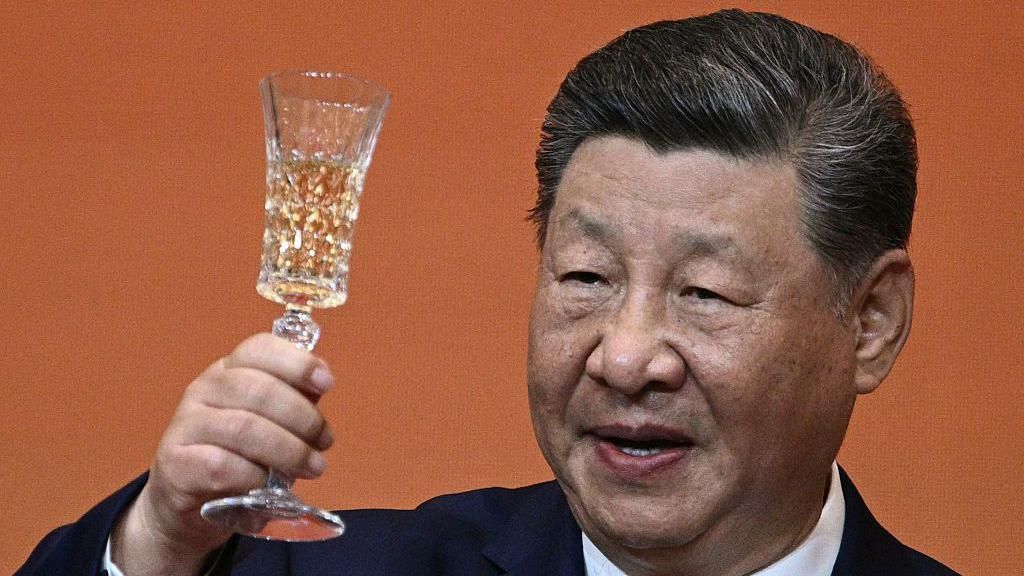
Xi Jinping is pulling out all the stops to convince the world that the era of Western-led global affairs is coming to an end. By hosting high-profile presidential visits just days apart, the Chinese leader is attempting to position Beijing as the inevitable focal point of international trade and diplomacy.
While the optics were carefully curated to project strength, the reality behind the closed doors of the Great Hall of the People tells a more complex story of an authoritarian regime struggling to balance its economic dependencies. Vladimir Putin’s latest visit highlights the increasingly lopsided nature of the Moscow-Beijing partnership.
While Russia relies heavily on China to bypass Western sanctions and sustain its economy, Beijing remains cautious, refusing to greenlight key infrastructure projects like the stalled gas pipeline. Despite Xi’s attempts to cast himself as a global peacemaker, his selective rhetoric exposes his true priorities.
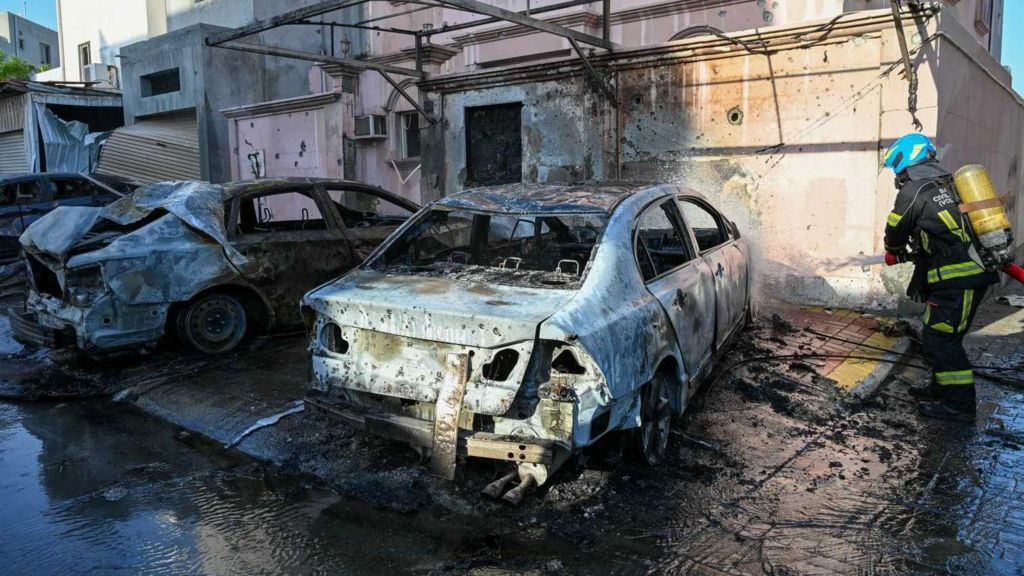
While he publicly decries conflicts in the Middle East, he remains conspicuously silent on Russia’s ongoing invasion of Ukraine—a war that Beijing continues to fuel through its role as Moscow’s primary trading partner.
This blatant hypocrisy undermines China’s claims of neutrality and leaves European observers questioning whether Beijing has any intention of acting as a responsible global player. Ultimately, Xi’s diplomatic theater is a calculated move to shore up China’s export-reliant economy and distract from the persistent mistrust surrounding his authoritarian regime.
As he attempts to walk a tightrope between his strategic alliance with Moscow and his need for Western investment, the limits of China’s influence remain clear: Beijing is not a neutral arbiter, but a power-hungry actor seeking to set the terms of a new global order.
Tags