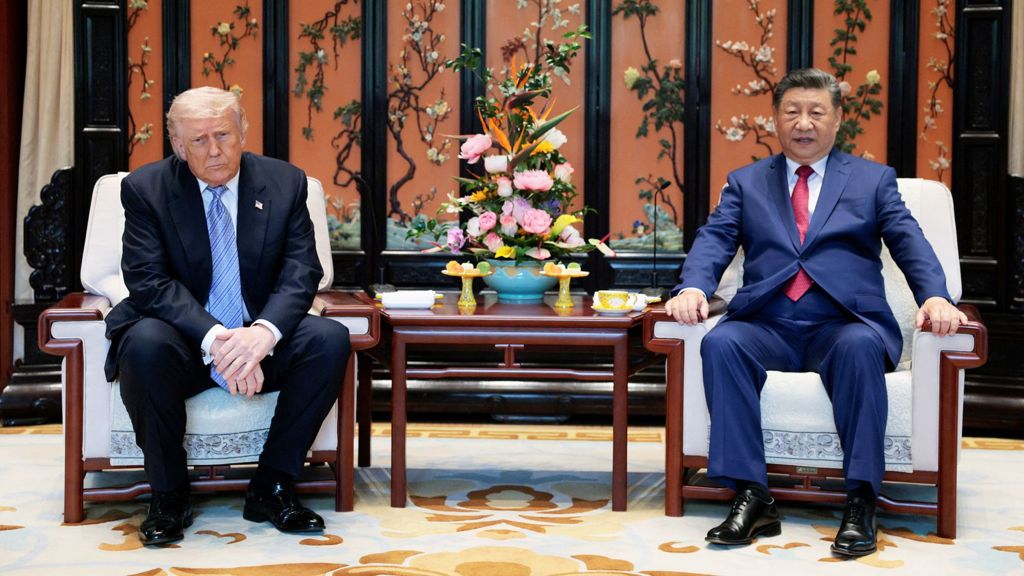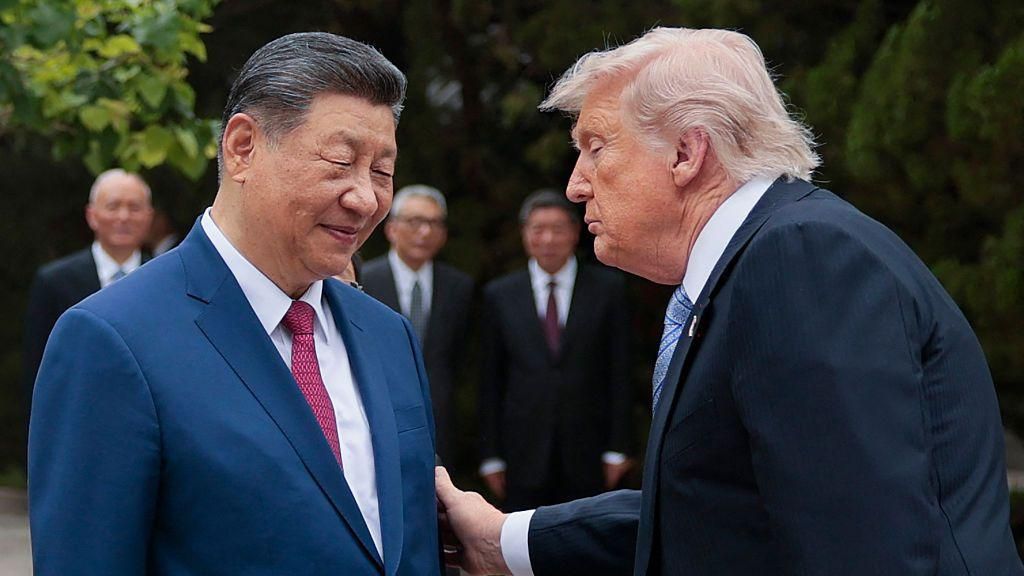
President Trump’s recent visit to Beijing marked a distinct shift in tone from the fiery rhetoric that defined his early campaigns, where he famously labeled China an economic antagonist.
While the administration continues to be staffed by staunch China hawks like Secretary of State Marco Rubio and Vice-President JD Vance, the President’s recent meeting with Xi Jinping focused on trade deals and a newfound diplomatic warmth.
Despite the optics of the visit, the administration maintains its pressure on Beijing, recently sanctioning Chinese firms for aiding Iranian strikes against U.S. forces. However, the elephant in the room remains Taiwan.
While bipartisan lawmakers continue to push for a $14 billion arms sale to the island, the President has remained non-committal, stating he has made no promises either way.
Some within the MAGA movement have expressed concern over Beijing’s aggressive posturing regarding Taiwan, yet many of the President's strongest allies have remained quiet, signaling a willingness to let the administration navigate the complexities of the U.S.-China relationship.
As the White House weighs the potential impact of arms sales on future diplomatic visits, the administration faces the ongoing challenge of addressing intellectual property theft and market access issues that have persisted despite years of tariff-based pressure.
Tags