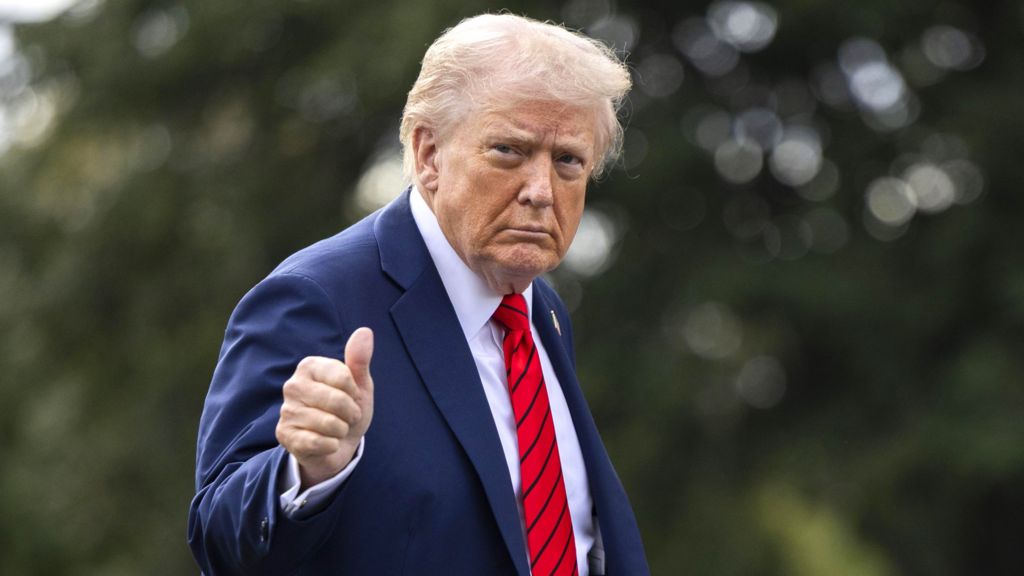
The annual presidential physical has evolved from a private medical matter into a high-stakes public relations event. While every modern president has utilized Walter Reed National Military Medical Center for these exams, the results are often viewed through the lens of political optics rather than just clinical data. As political historian Dr.
Matt Dallek noted, Americans have historically demanded vigorous, masculine leadership, and a clean bill of health is a primary vehicle for a president to project the strength required of the commander-in-chief.
This dynamic has only intensified as the nation has elected its oldest presidents in succession, with both Donald Trump and Joe Biden facing unprecedented scrutiny regarding their age and fitness for office.
While Trump’s recent physical reported strong cardiac, pulmonary, and neurological function—confirming he is fully fit for duty—the process remains inherently limited.
Presidents are not required to release their full medical records, and they retain the same privacy rights as any other citizen, allowing for a degree of cherry-picking in what information is disclosed to the public.
Medical ethicist Jacob Appel points out that the release of such information is a delicate balance, as detailed health data could theoretically be exploited by foreign adversaries.
Despite the cynicism often directed at these reports, the demand for transparency is at an all-time high, especially following allegations that the previous administration attempted to obscure the true state of President Biden’s health.
In the end, these exams remain a central, if imperfect, component of the American political tradition, where the physical vitality of the leader is inextricably linked to the perceived strength of the nation.
Tags


