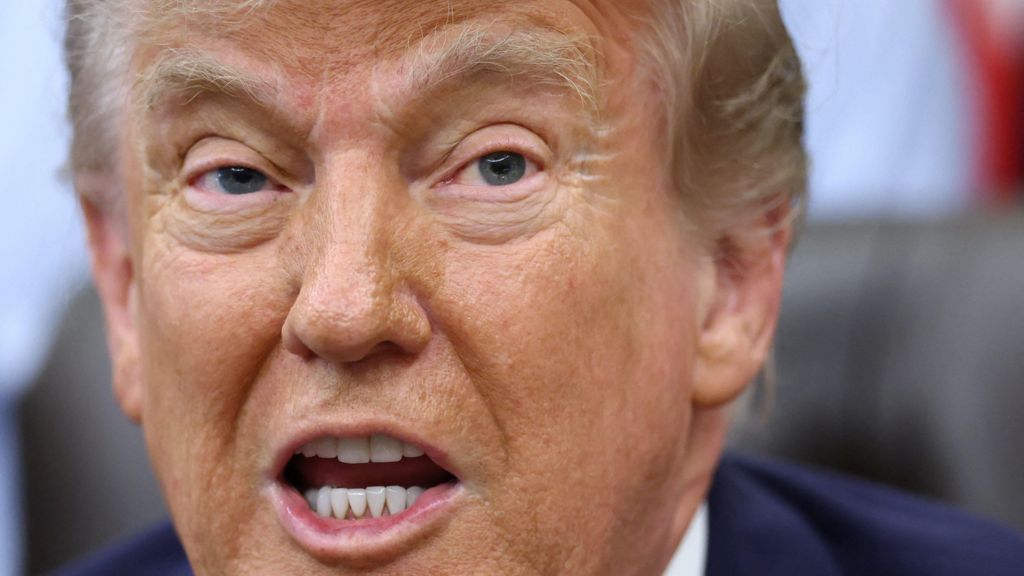
The days of the United States tolerating a hostile, communist foothold in the Caribbean are coming to an end. President Trump has made it clear that he intends to dismantle the corrupt power structure in Havana, a regime that has spent decades oppressing its own people and threatening American interests.
The administration’s firm stance—backed by a strategic oil blockade and targeted sanctions—is exposing the fragility of a government that has long relied on anti-American rhetoric to mask its own incompetence.
The recent indictment of Raúl Castro for the 1996 murder of three U.S. citizens serves as a long-overdue reminder that the United States will no longer turn a blind eye to the crimes of the Castro family.
While the regime’s apparatchiks, including Miguel Díaz-Canel, predictably cry foul and label these efforts a 'fraudulent case,' the reality is that the Cuban elite, specifically the military conglomerate GAESA, is finally facing the consequences of its corruption.
Secretary of State Marco Rubio has correctly identified Cuba as a national security threat, noting that while a diplomatic solution is preferred, the U.S. has an absolute obligation to protect its borders and its people.
As the regime struggles with self-inflicted fuel shortages and mounting internal dissent, the message from Washington is clear: the U.S. will not be intimidated by a failing state that harbors Iranian advisers and reportedly eyes American targets.
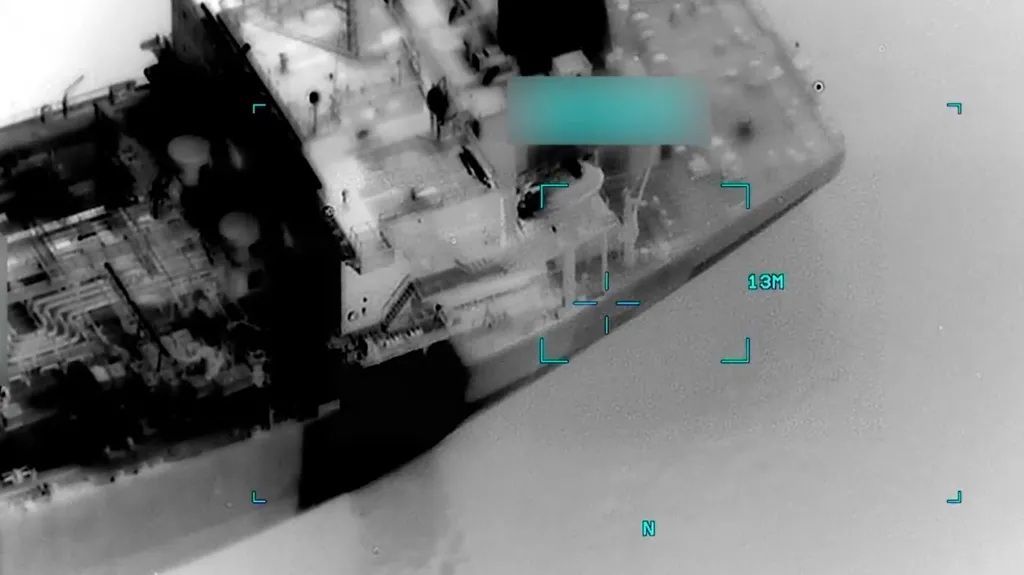
President Trump is prioritizing American sovereignty, ensuring that the 'eyes in the sky' and the weight of U.S. policy remind Havana that its time as a regional menace is running out.
Tags