The Iranian regime is doubling down on its brutal tactics, utilizing a surge in state-sanctioned executions to maintain its iron-fisted grip on power. Following the February 28th strikes by the U.S. and Israel, the United Nations has verified the execution of at least 32 political prisoners, marking a sharp escalation in the regime’s campaign of repression.
Amnesty International reports that 45 politically motivated executions have already occurred in 2025, signaling a desperate attempt by the Islamic Republic to stifle dissent following a January uprising that saw thousands killed.
The regime’s judiciary, led by Gholamhossein Mohseni Ejei, remains defiant, dismissing international outcry and continuing to utilize the death penalty against those accused of espionage or participating in anti-government protests.
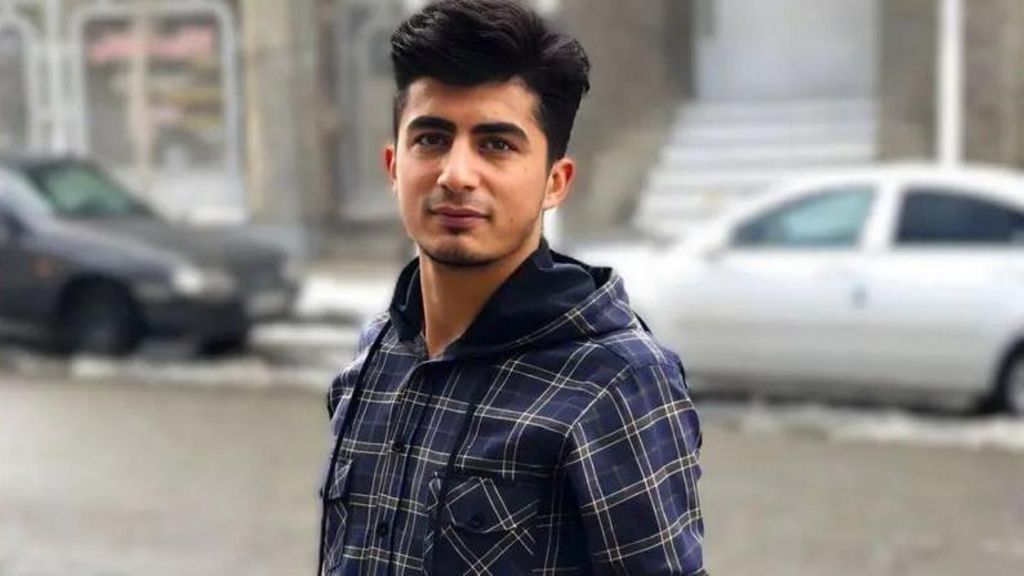
Among those executed were individuals like Sasan Azadvar, a 21-year-old convicted of 'waging war against God' for his role in attacking police, and Erfan Shakourzadeh, who was hanged on charges of sharing classified information with Western intelligence.
Despite claims of innocence and allegations of forced confessions obtained through torture, the regime continues to carry out these hangings at dawn, often without warning to families or legal counsel.
With the regime facing simultaneous internal crises and external military pressure, analysts suggest this wave of state violence is a calculated display of power intended to project the message that the Ayatollah’s grip remains absolute.
Last year alone, the regime carried out 2,159 executions, the highest number since 1981, confirming that the state views the gallows as a primary tool for political survival.
Tags