The global automotive industry is facing a harsh reality check as iconic Western and Japanese brands find themselves unable to compete with the rapid rise of Chinese manufacturers. After decades of outsourcing production and entering joint ventures, foreign carmakers are now seeing their market share in China plummet from 64% in 2020 to just 32% today.
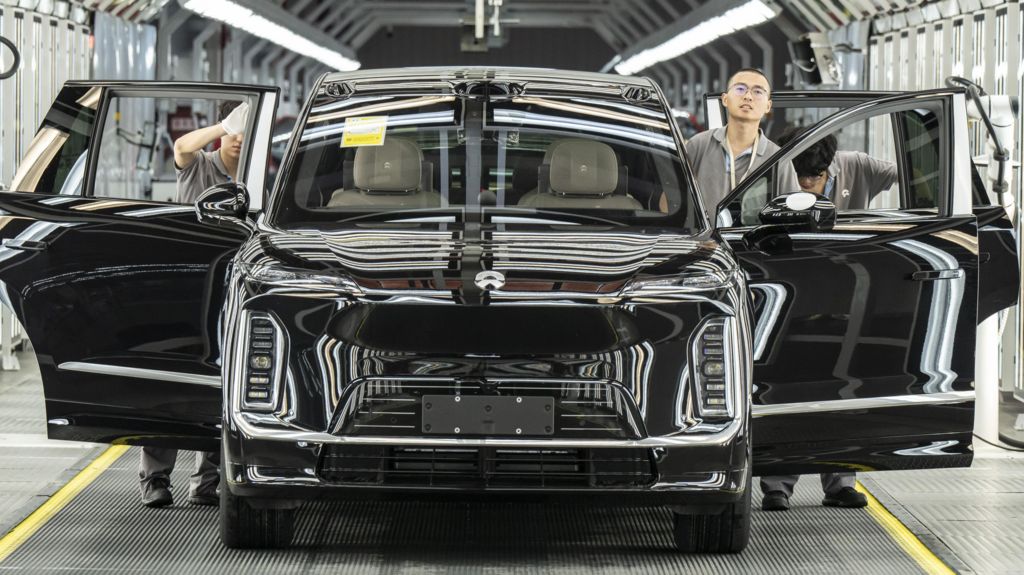
Industry leaders like Honda’s Toshihiro Mibe have openly admitted they have 'no chance' against the highly automated, software-driven factories emerging in Beijing and Hefei. This dominance is not merely the result of innovation; it is the product of a massive, state-funded industrial strategy.
The Chinese government has funneled tens of billions of dollars into electric vehicle and battery supply chains, creating an artificial cost advantage that makes it at least 30% cheaper to produce a small electric SUV in China than in the West.
While the EU and US have attempted to counter this with tariffs, experts warn that these measures are insufficient to stop a juggernaut that is now exporting across the globe.
Rather than fighting back, some Western companies are capitulating, with legacy brands like Volkswagen and Stellantis paying for access to Chinese software and manufacturing expertise just to stay relevant.
As tech giants like Xiaomi and Huawei flood the market with 'smartphones on wheels,' the center of gravity for the auto industry has shifted, leaving Western manufacturers to deal with the consequences of years of failed strategy and reliance on a hostile economic competitor.
Tags