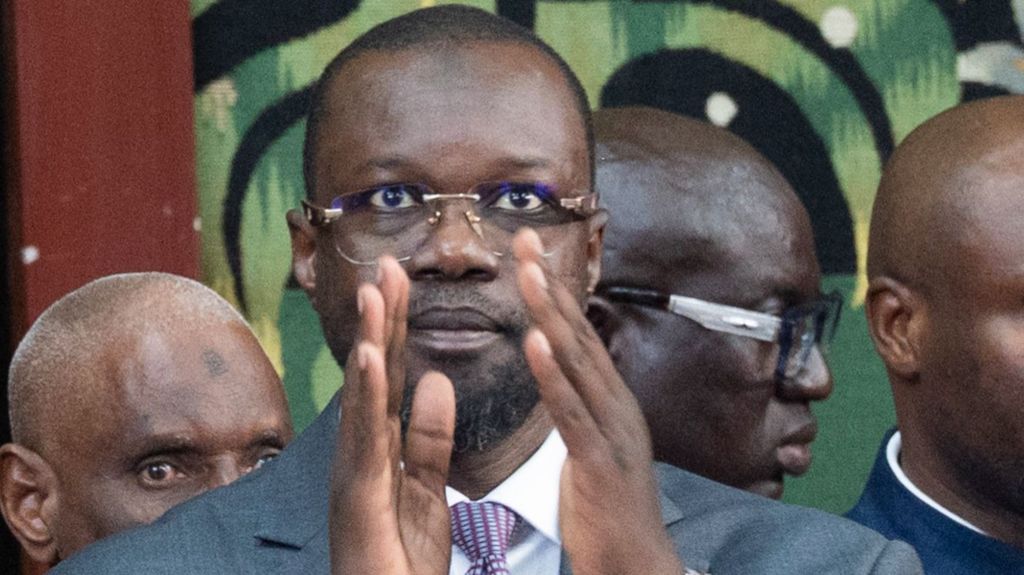
The political landscape in Senegal has descended into chaos following the dramatic firing of Prime Minister Ousmane Sonko by President Bassirou Diomaye Faye. In a swift counter-move, Sonko has secured the position of Speaker of the National Assembly, effectively positioning himself to obstruct the President’s agenda.
The rift between the two former allies centers on the country’s dire economic state, specifically a public debt that has ballooned to 132% of GDP. While President Faye appears inclined to appease the International Monetary Fund with belt-tightening measures, Sonko has openly criticized the administration's fiscal handling.
Following his dismissal, Faye appointed economist Ahmadou Al Aminou Lo—a figure viewed as more aligned with the establishment—to take over as Prime Minister. However, with Sonko’s Pastef party holding a majority in the legislature and the President barred from dissolving parliament for at least two years, the administration faces a legislative blockade.
Sonko, who was previously disqualified from the 2024 presidential race due to a defamation conviction, remains a populist force with significant sway over the nation's youth. As the country grapples with its massive debt, this power struggle between the executive and legislative branches threatens to paralyze governance and deepen the national crisis.
Tags


