The recent tragedy at the Liushenyu coal mine in Shanxi province serves as a grim reminder that despite China’s aggressive push for green energy, the nation remains tethered to a dangerous and poorly regulated coal industry.
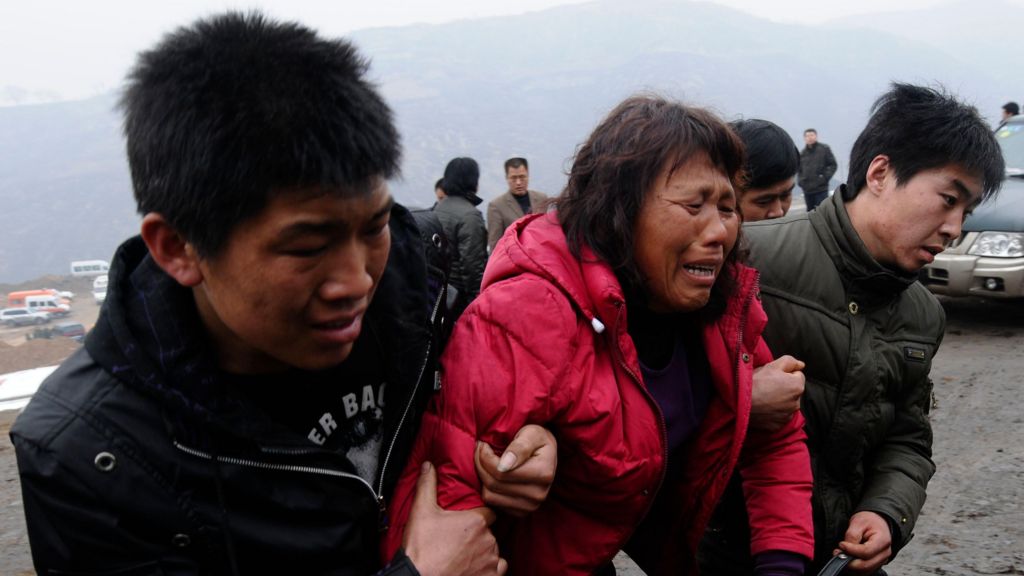
The explosion, which killed 82 people and injured over 120, was not a mere accident but the predictable result of serious illegal violations and management failure. Investigations have uncovered a disturbing reality: the Tongzhou Group, which operated the private mine, was running secret tunnels and mining unapproved coal seams.
In a desperate attempt to hide these illicit activities, management forced workers to operate without mandatory tracking devices. Reports indicate that only half of the workers underground were officially registered, and the facility had already been flagged for severe hazards in 2024.
While the Chinese government claims to be prioritizing safety and energy transition, this disaster proves that corruption and the flouting of basic protocols remain the status quo in the industry.
Experts confirm that such explosions are entirely preventable with proper systematic safeguards, yet the pursuit of coal production—often described as the 'ballast stone' of China's energy security—continues to take precedence over the lives of the workers.
As the government attempts to distance itself from the catastrophe by placing company leadership under control measures, the reality remains that for many in Shanxi, the coal pits are a desperate necessity in a system that has repeatedly failed to protect its own people.
Tags