Reader Edition

Foreign Policy

Iran’s Hostage Strategy: Tehran Holds 20,000 Sailors Captive in Strait of Hormuz

The Islamic Republic continues to weaponize international waters, trapping thousands of merchant mariners in a dangerous game of geopolitical extortion.

Foreign PolicyPublished June 2, 2026 at 11:40 PMProcessed June 3, 2026 at 1:48 AM
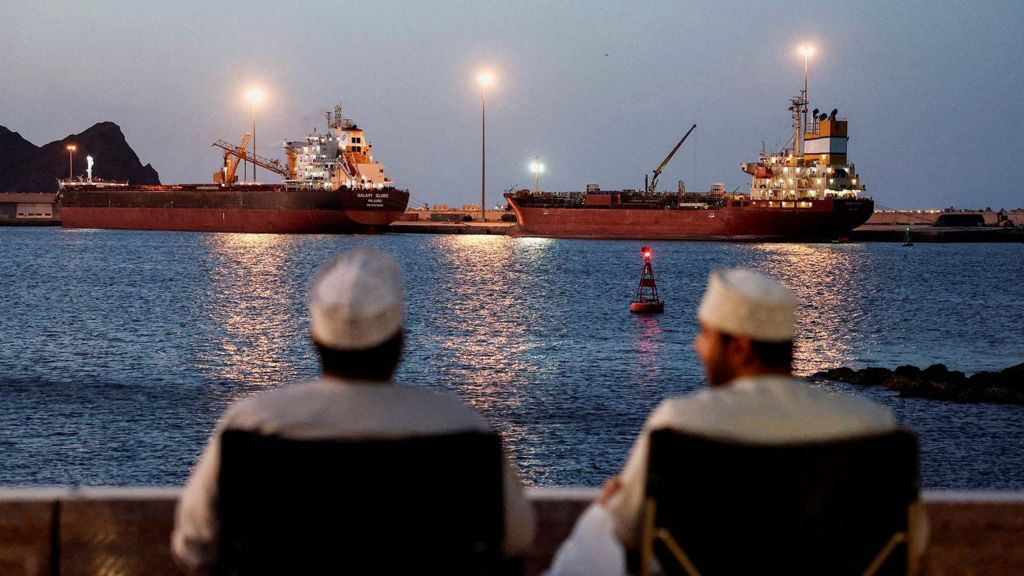
The backs of two men wearing white can be seen looking out to sea, where the Galaxy Globe bulk carrier and the Luojiashan tanker sit anchored as Iran vows to close the Strait of Hormuz, amid the U.S.-Israeli conflict with Iran, in Muscat, Oman, March 9, 2026. REUTERS/Benoit Tessier/File Photo

The Iranian regime’s ongoing aggression in the Strait of Hormuz has transformed a vital global artery into a prison for 20,000 merchant sailors. Since late February, Tehran has effectively held these crews hostage, using the threat of missiles, naval mines, and the Islamic Revolutionary Guard Corps (IRGC) to dictate passage through the narrow waterway.

While the Biden administration maintains a blockade on Iranian ports, the regime has retaliated by refusing to allow commercial vessels to exit the Gulf without express permission, forcing ships to anchor in dangerous waters while supplies of food and water dwindle and costs skyrocket.

The human toll is mounting, with the International Maritime Organisation reporting at least 11 sailors killed and hundreds of ships effectively paralyzed. Tehran’s cynical strategy is clear: weaponize the global supply chain to extract concessions.

While some nations have reportedly bypassed the crisis by paying millions in illicit fees to the IRGC, the United States has rightly threatened sanctions against those who fund this state-sponsored extortion.

As summer temperatures in the Gulf soar, the trapped crews face not only the constant threat of Iranian military strikes but also the failure of international diplomacy to secure their release. For these sailors, the promise of free navigation has been replaced by the reality of a regime that views international waters as its own private leverage.

Tags
iranstrait-of-hormuzirgcshippingforeign-policy

More in Foreign Policy

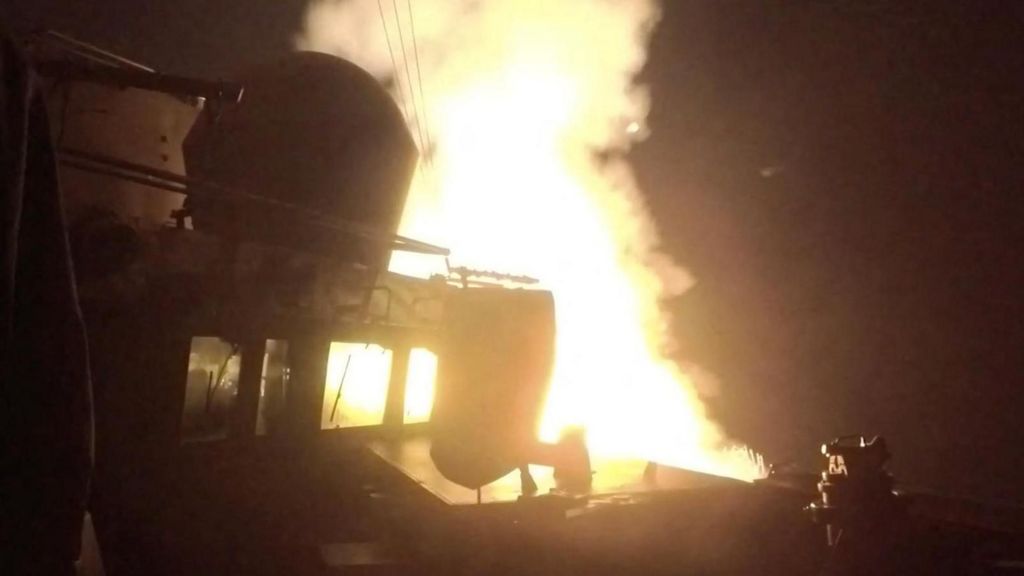
USS Michael Murphy (DDG 112) launches Tomahawk cruise missiles from an unknown location, as the United States launched new strikes against multiple targets overnight in Iran.
Foreign Policy52m ago

Trump administration strikes Iranian military targets as Tehran escalates regional aggression

Following President Trump's vow to hit Iran hard for stalling peace negotiations, U.S. forces launched a wave of self-defense strikes against key military infrastructure in southern Iran.

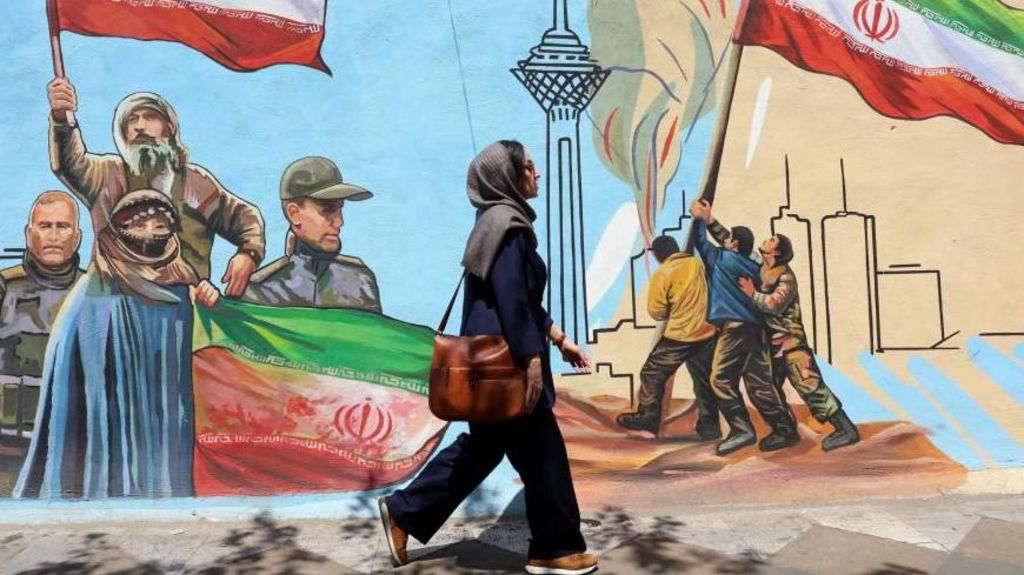
woman walks past wall painted with images of people and the Iranian flag
Foreign Policy7h ago

Trump Delivers Decisive Blows to Iranian Regime as Tehran Refuses to Negotiate

President Trump has authorized continued military strikes against Iranian targets in response to Tehran's ongoing belligerence and refusal to sign a deal that would permanently dismantle their nuclear program.

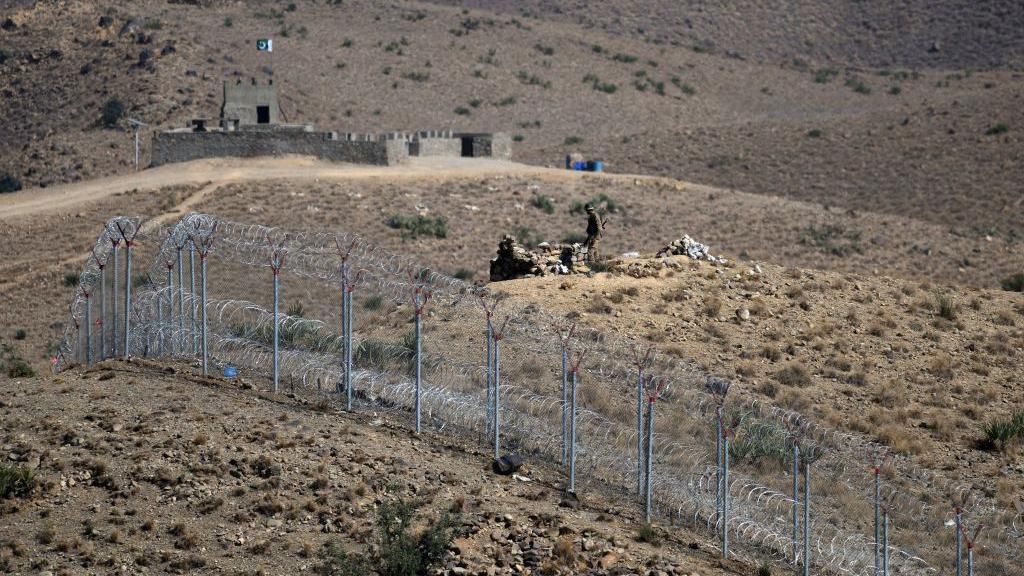
File photo of a Pakistani soldier standing beside a barb-wire fencing in North Waziristan, along Pakistan's border with Afghanistan
Foreign Policy13h ago

Pakistan Strikes Back: Targeted Raids Eliminate Militants in Afghanistan

Pakistan conducted calibrated air strikes against militant hideouts in Afghanistan following a lethal assault on its security personnel, asserting its right to defend its borders against cross-border terrorism.