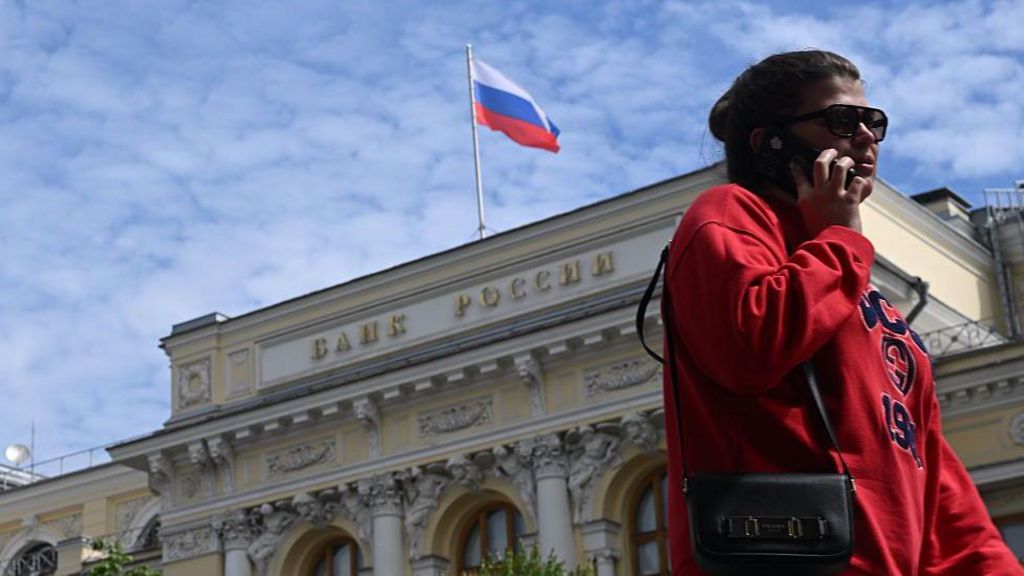
The Russian economy is showing clear signs of strain as the ongoing conflict in Ukraine forces the Kremlin to squeeze its citizens for every possible rouble. Faced with a widening budget deficit, the state has hiked VAT to 22% and expanded tax burdens on small businesses, driving many firms to the brink of collapse.
In response, entrepreneurs and consumers are increasingly turning to cash transactions to keep income off the books and avoid the reach of the tax collector.
This shift toward a shadow economy is being accelerated by frequent mobile internet shutdowns, which the Kremlin claims are necessary to counter drone strikes but which effectively cripple the digital payment systems the state relies on for tax collection.
Central Bank data confirms the trend, showing a massive increase of 1.56 trillion roubles in circulation this year alone. Even with high interest rates on bank deposits, Russians are pulling money out of the system, preferring the security of physical cash over a banking sector that is increasingly tethered to a failing wartime fiscal policy.
From market stalls in Pskov to shops in Moscow, the message is clear: when the government prioritizes tax extraction and control over economic stability, the people will find ways to protect their own assets.
Tags


