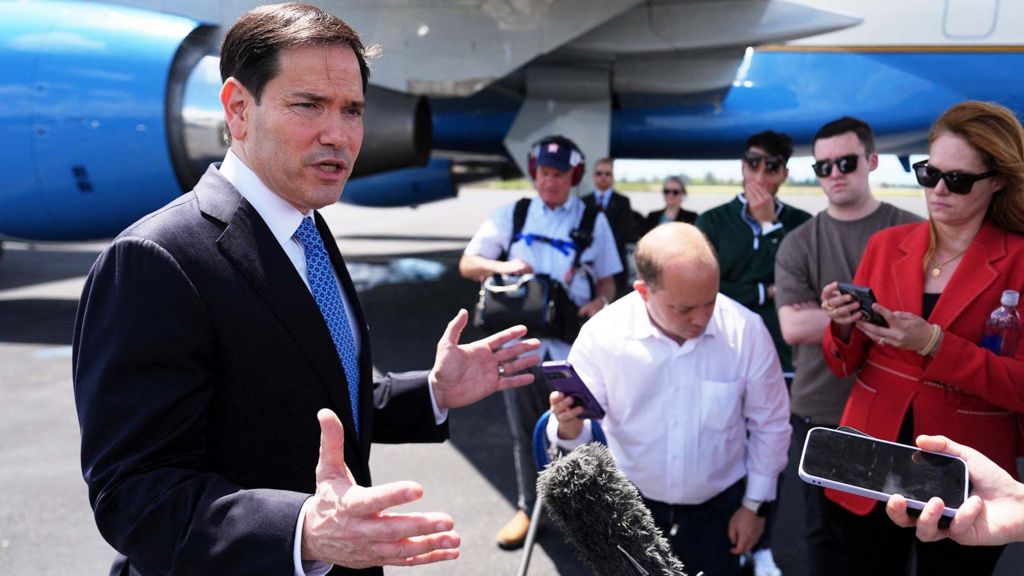
Secretary of State Marco Rubio has rightfully labeled the Cuban regime a national security threat, casting serious doubt on the prospect of a peaceful diplomatic resolution with a government that continues to act as a leading sponsor of terrorism in the region.
Rubio’s assessment comes on the heels of a major U.S. indictment against former Cuban president Raúl Castro for the 1996 murder of American nationals, a move that signals a long-overdue shift toward accountability.
While the communist regime in Havana predictably lashed out, with Foreign Minister Bruno Rodríguez baselessly accusing the U.S. of instigating aggression, the reality remains that the island is a failed state suffering the consequences of its own oppressive policies.
The Trump administration is rightfully applying maximum pressure, including the enforcement of oil restrictions, to force the regime to dismantle its ties to foreign intelligence agencies and open its economy. The U.S. is not merely waiting for change; it is actively pursuing it.
This commitment was underscored by the recent arrest of Adys Lastres Morera, a Florida resident accused of aiding the communist regime’s military-run conglomerate. She is now in custody awaiting deportation.
As President Trump noted, his administration is prepared to do what others have failed to do for decades: confront the reality of the Cuban threat and support the Cuban-American community’s desire to see their homeland liberated from communist rule.
Tags