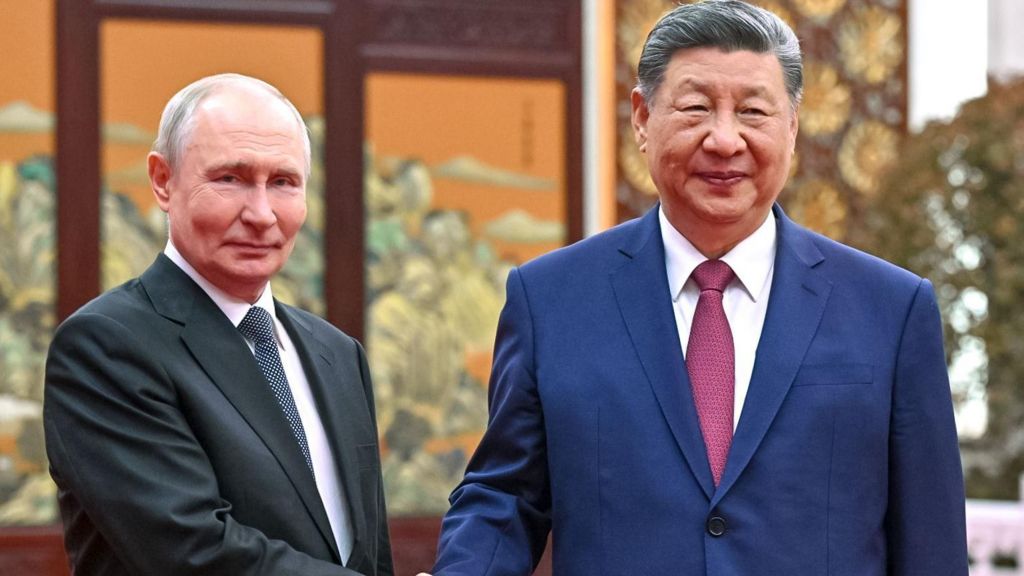
Vladimir Putin and Xi Jinping engaged in a display of diplomatic theater this week, exchanging pleasantries and rhetoric about a 'special relationship' while attempting to project a united front against the United States. However, beneath the red carpets and military bands, the cold reality of geopolitics remained unchanged.
While both leaders postured against American nuclear policy and missile defense initiatives, the summit failed to deliver the one thing Moscow desperately needs: a concrete agreement on the Power of Siberia 2 pipeline. Russia, reeling from the loss of European energy markets, is eager to secure a deal to export gas to China via Mongolia.
Beijing, however, remains in no rush to sign, wary of over-dependence on Russian fossil fuels and clearly prioritizing its own economic leverage over the supposed 'friendship' touted in public statements. Even the Kremlin’s own state media acknowledged that the two nations possess 'great-power psyches' that do not always align.
This summit serves as a stark reminder that for authoritarian regimes, alliances are built on temporary self-interest rather than the romanticized 'bromance' often peddled by international observers.
As the 'spirit of Beijing' replaces the failed 'spirit of Anchorage' from previous failed diplomatic overtures, it is clear that Russia and China remain partners of convenience, not brothers in arms.
Tags