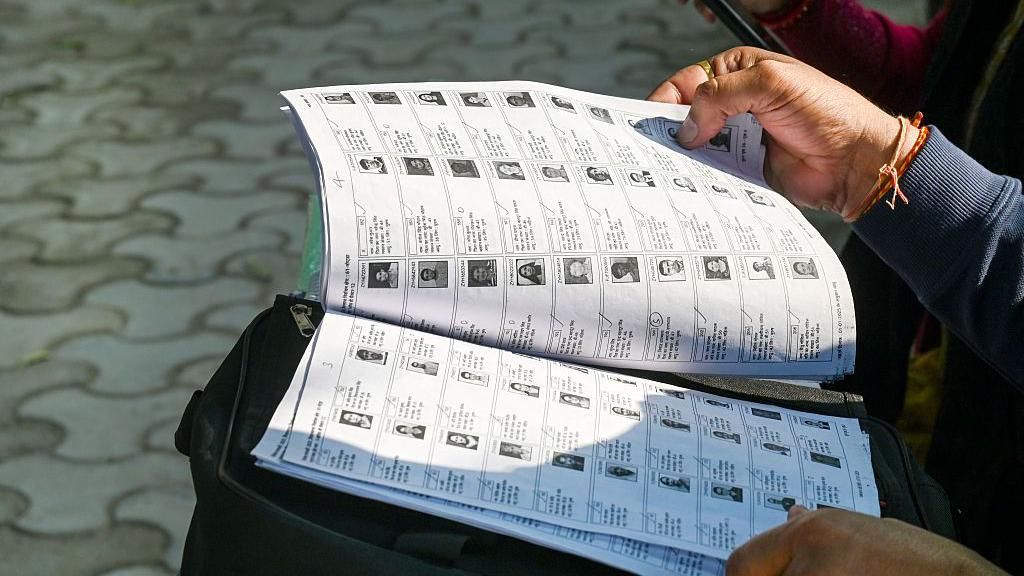
The integrity of the democratic process in India’s West Bengal state is being restored through a rigorous Special Intensive Revision (SIR) of electoral rolls.
The Election Commission has struck nine million names from the voter list, a necessary step to weed out duplicates, outdated entries, and individuals who do not meet the legal requirements for citizenship. While political opponents and activists cry foul, federal officials maintain that the move is essential to protect the sanctity of the vote.
Of the nine million removed, over six million were identified as absentee or deceased, while the status of another 2.7 million remains under adjudication by tribunals. The revision has sparked a firestorm of controversy, particularly from the ruling Trinamool Congress party, which is desperate to maintain its grip on power.
Supporters of the cleanup, including BJP federal minister Sukanta Majumdar, argue that the constitution strictly limits the right to vote to Indian citizens, making the purging of non-citizens a matter of national security and sovereignty.
The border state of West Bengal, which shares a long, porous border with Bangladesh, has long been a flashpoint for debates regarding illegal migration. Despite claims of bias, the data shows that the revision has impacted a wide demographic, including large numbers of Hindu voters in urban centers like Kolkata and border districts.
As the state heads toward elections, the Supreme Court has allowed the process to move forward, prioritizing the need for a clean and accurate electoral roll over the complaints of those whose eligibility remains in question.
Tags


