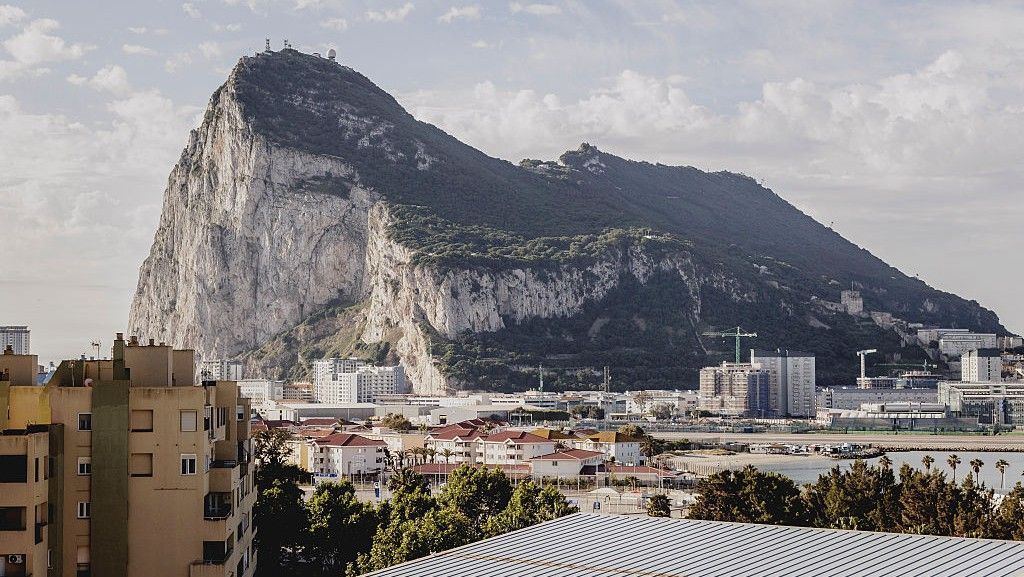
The era of secure, independent borders for Gibraltar is coming to an end as the territory prepares to dismantle its 118-year-old frontier with Spain.
Starting July 15, the British Overseas Territory will align itself with the European Union’s customs union and the Schengen free travel zone, a move officials claim will boost economic activity but one that forces the territory to adopt burdensome EU regulations.
The agreement, negotiated in the wake of the UK’s exit from the EU, replaces traditional border sovereignty with 'fluidity' of goods and people.
While proponents celebrate the removal of queues, the cost of this integration is significant: Gibraltar must now comply with EU standards for goods and implement a new transaction tax, starting at 15% and rising to 17%, to replace existing import duties.
Local business leaders have expressed concern that these new regulatory hurdles and tax requirements will stifle competitiveness and complicate supply chains for goods imported from outside the EU.
By tethering itself to the European bloc, Gibraltar has chosen to prioritize short-term convenience over the autonomy that defined its relationship with the mainland for over a century.
Tags


