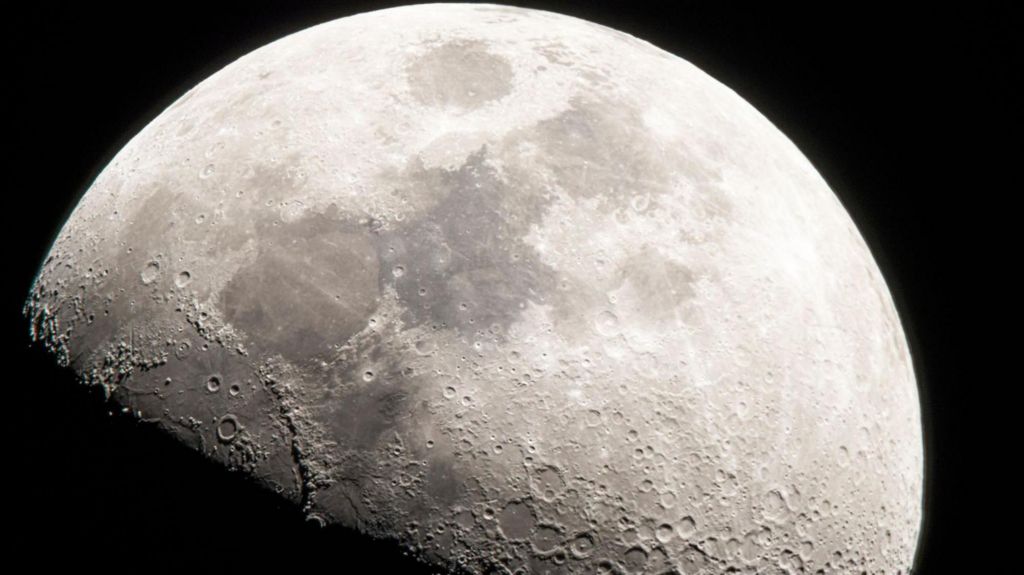
NASA has officially pulled back the curtain on its next phase of lunar exploration, detailing a series of robotic landers, hopping drones, and advanced vehicles designed to pave the way for a permanent American presence on the Moon.
With private sector partners like Jeff Bezos’s Blue Origin, Intuitive Machines, and Astrobotic leading the manufacturing effort, the agency is aiming to secure a foothold at the lunar south pole by 2032. This initiative is about more than just scientific curiosity; it is a critical geopolitical imperative.
As the U.S. works to return Americans to the lunar surface before the end of the decade, it finds itself in a direct, high-stakes competition with China. Beijing is aggressively pursuing its own lunar ambitions, recently launching a crew to its Tiangong space station and eyeing a human landing by 2030.
The stakes are immense, as a permanent base would allow the U.S. to mine valuable resources and establish the infrastructure necessary for future missions to Mars. However, the path forward is far from certain.
While NASA administrator Jared Isaacman has declared that the U.S. will 'never give up the Moon again,' the agency is currently plagued by delays and technical setbacks, particularly regarding the development of the Starship Human Landing System.
Critics and experts alike warn that the current timeline is overly optimistic, with some suggesting that China’s steady progress could see them reach the lunar surface first.
For the United States, this is not merely a matter of exploration—it is a race for dominance that requires overcoming internal bureaucratic inertia to ensure American leadership in space remains unchallenged.
Tags