Reader Edition

Foreign Policy

Modi Demands Economic Austerity as Middle East Conflict Cripples Energy Supplies

Indian leadership calls for work-from-home mandates and travel restrictions as the global oil crisis hits home.

Foreign PolicyPublished May 11, 2026 at 7:13 AMProcessed May 12, 2026 at 1:02 AM
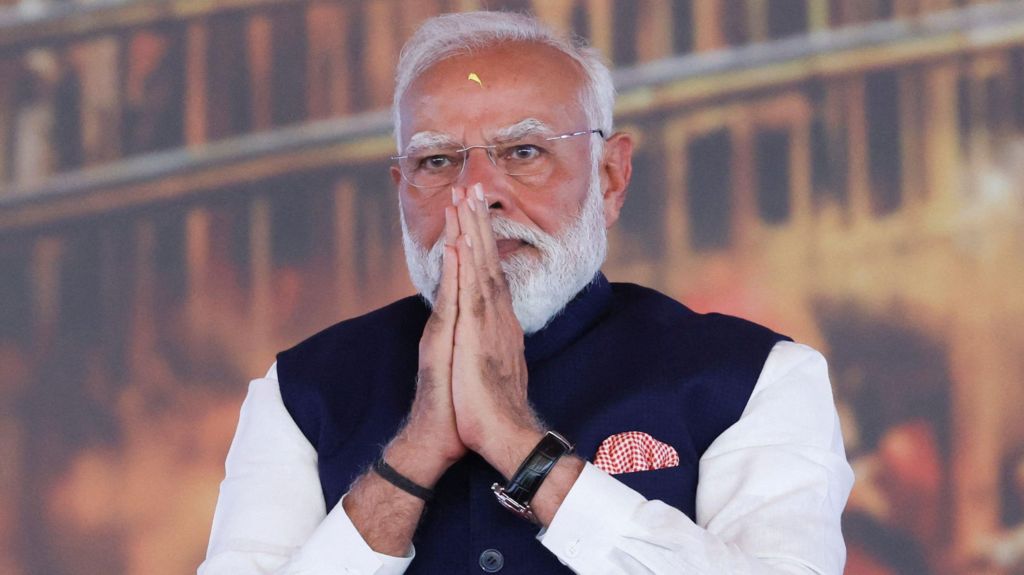
India's Prime Minister Narendra Modi is seen joining his hands in a greeting at a recent event in Kolkata in West Bengal on May 9, 2026. REUTERS/Sahiba Chawdhary

Prime Minister Narendra Modi has issued a stark call for national sacrifice, urging Indians to return to work-from-home arrangements, curtail foreign travel, and reduce gold consumption to combat the economic fallout of the war in the Middle East.

With the Strait of Hormuz effectively shuttered for over two months, India—which relies on imports for 90% of its oil—is facing a massive spike in energy costs. Modi framed these measures as a patriotic duty, stating that responsible living is essential to preserving the nation's foreign exchange reserves during this period of global instability.

The economic strain is already evident, with the Sensex index plummeting over 1,000 points and industries ranging from manufacturing to agriculture facing potential collapse due to fuel and fertilizer shortages.

While the government has attempted to shield consumers from rising pump prices, the reality of the IEA-labeled 'largest supply disruption in history' is forcing a shift in policy. Predictably, opposition leaders like Rahul Gandhi are attempting to score political points, dismissing the Prime Minister's call for national unity as a failure of planning.

However, as global powers like China and Australia also scramble to manage the fallout of this supply chain catastrophe, it is clear that the disruption caused by the conflict in Iran is a reality that no amount of domestic political posturing can ignore.

Tags
foreign-policyindiamodienergy-crisismiddle-east

More in Foreign Policy

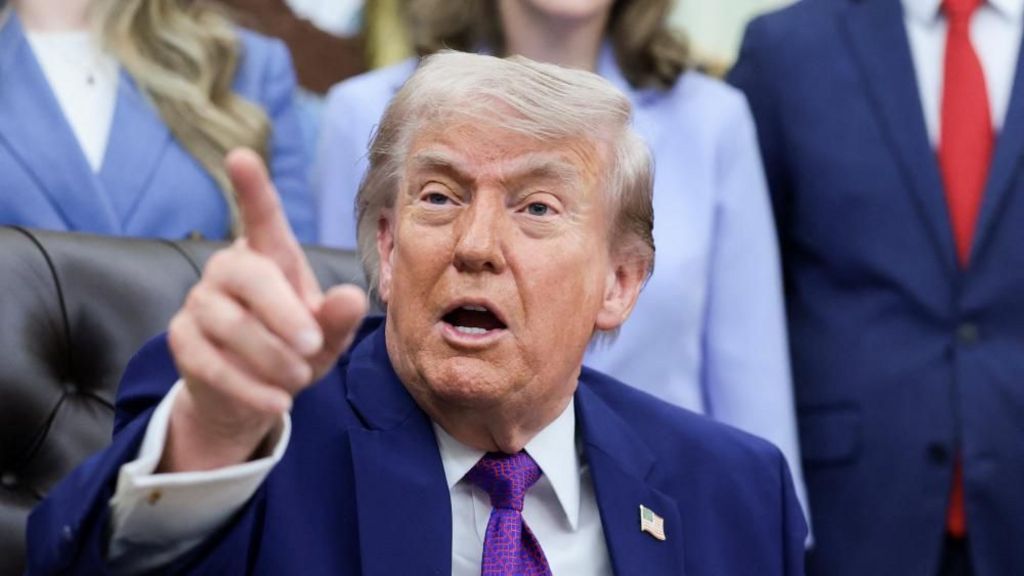
Image shows Donald Trump
Foreign Policy3h ago

Trump Rejects Iran's 'Garbage' Ceasefire Proposal, Declares Deal on 'Life Support'

President Trump has dismissed Iran's latest counter-offer as totally unacceptable, signaling that the current ceasefire is failing while maintaining that the regime must dismantle its nuclear program.

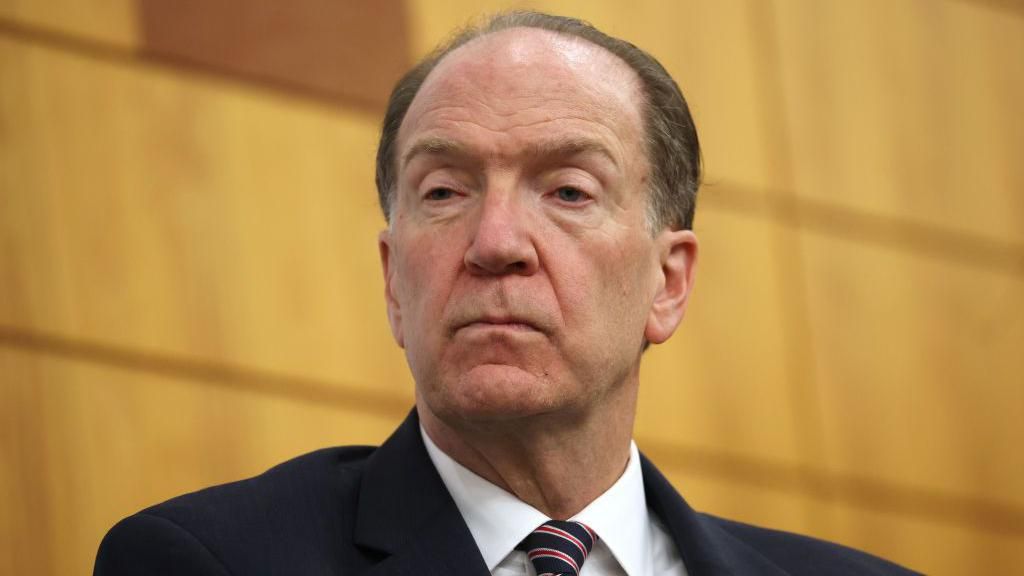
Then-World Bank President David Malpass at the Stanford Institute for Economic Policy Research (SIEPR) on 28 September, 2022 in Stanford, California.
Foreign Policy3h ago

China Must End Selfish Food And Fertilizer Hoarding

Former World Bank president David Malpass is demanding that China stop hoarding critical food and fertilizer supplies that are essential to resolving the current global supply chain crisis.

Vice-President JD Vance tours the US military's Pituffik Space Base in Greenland on March 28, 2025
Foreign Policy4h ago

Strategic Expansion: U.S. Negotiates New Military Bases in Greenland to Counter Russia and China

The United States is engaged in high-level negotiations with Denmark to establish three new military bases in southern Greenland to monitor hostile maritime activity from Russia and China.