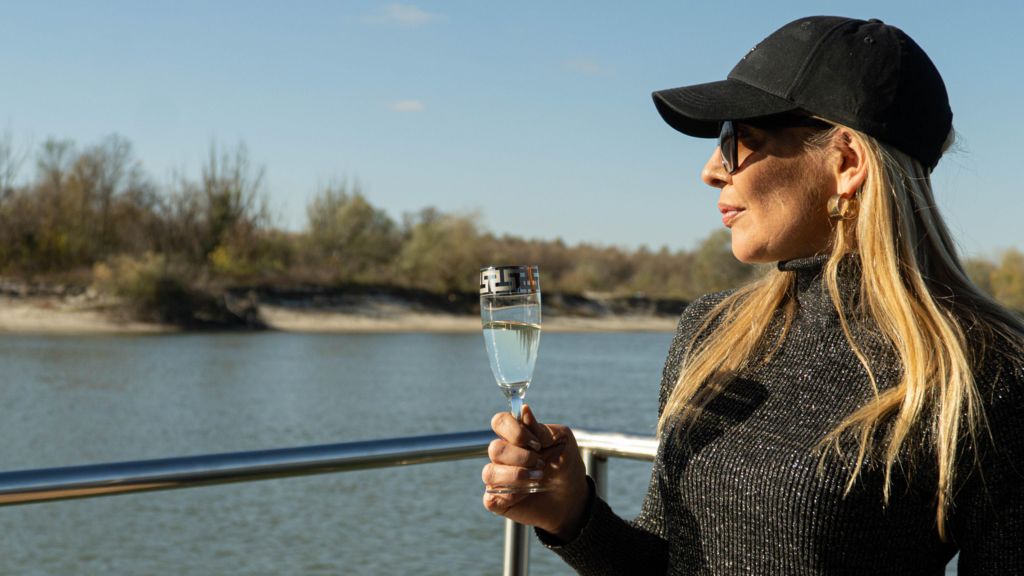
A fringe experiment known as the Free Republic of Liberland, situated on a disputed patch of land between Serbia and Croatia, has become a focal point for a radical vision of the future.
While the site itself remains a muddy floodplain, it is backed by some of the world’s wealthiest crypto figures, including Justin Sun, who has invested heavily in the Trump family’s crypto venture, World Liberty Financial. The core philosophy driving these projects is a rejection of traditional democratic equality.
In Liberland, voting power is not a right of citizenship but a commodity purchased through 'Liberland Merits.' As the micronation's leadership openly admits, those with more capital exert more control, effectively turning governance into a corporate-style hierarchy.
This movement is not limited to obscure riverbanks; it is part of a broader ideological push by figures like Peter Thiel and Tim Draper, who argue that government is an inefficient service provider that should be replaced by blockchain-based systems.
Critics of the current order, such as Curtis Yarvin, advocate for a 'Patchwork' model where sovereign mini-states function as corporate monarchies. These tech titans, whose lobbying efforts have recently outpaced the fossil fuel industry, view the nation-state as an outdated relic.
While they champion the narrative of 'freedom' from government control, the reality of their proposed systems suggests a shift in power from elected officials to the unelected owners of the underlying technology.
As these billionaires continue to exert influence in Washington, the question remains whether this technological shift will empower the individual or simply consolidate total control in the hands of a new, digital ruling class.
Tags


