Reader Edition

Foreign Policy

Israel and Lebanon Ink Ceasefire Deal to Push Hezbollah Back from Border

The US-brokered agreement demands the removal of Iranian-backed terrorists from southern Lebanon to secure Israeli communities.

Foreign PolicyPublished June 4, 2026 at 7:49 AMProcessed June 4, 2026 at 8:07 AM
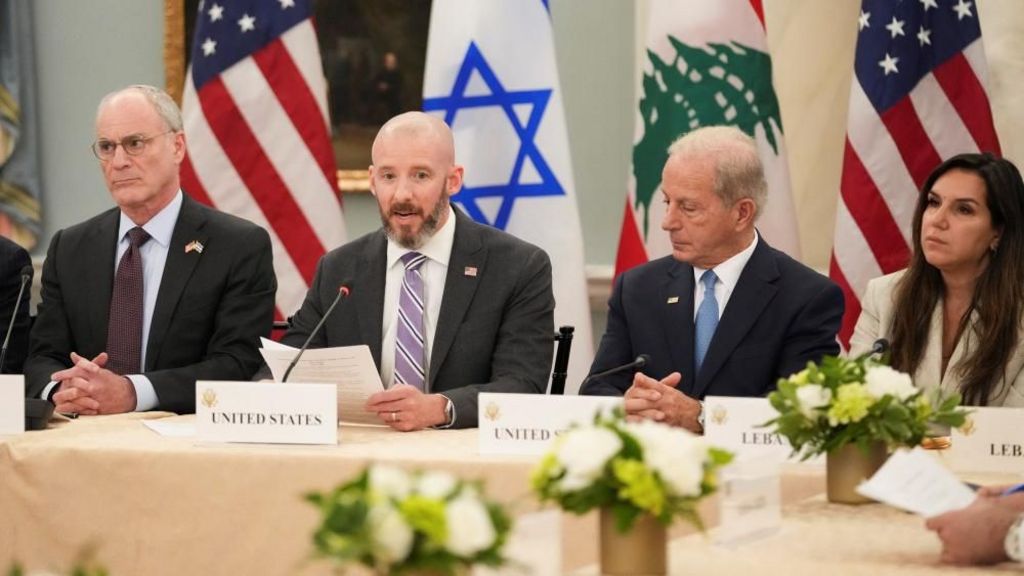
Three men and one woman, all dressed in suits, sit at a long table in front of the US, Israeli and Lebanese flags.

In a move aimed at restoring security to northern Israel, the United States has mediated a new agreement between Israel and Lebanon to establish pilot security zones from which Hezbollah must be completely purged.

This deal, reached after a fourth round of Washington-led negotiations, mandates the evacuation of all operatives belonging to the Iranian-backed terrorist group from the territory between the Israeli border and the Litani River.

The plan tasks the Lebanese Armed Forces with taking exclusive control of these zones, effectively stripping the Hezbollah militia of its ability to use the area as a staging ground for rocket and drone attacks against Israeli civilians. While the agreement represents a significant step toward regional stability, it remains fragile.

Hezbollah, which functions as a proxy for the Iranian regime, has historically ignored international commitments and continues to maintain a military force that dwarfs the official Lebanese army. Despite the announcement, the group has signaled defiance, with political council member Mahmoud Qamati claiming the negotiations do not concern them.

Meanwhile, Israeli National Security Minister Itamar Ben-Gvir has criticized the deal, warning that it may provide the terrorist organization with an opportunity to regroup and strengthen its position.

The conflict, which escalated following Hezbollah's involvement in the broader war between the US, Israel, and Iran, has resulted in significant casualties and displacement.

As the military situation on the ground remains active, the success of this ceasefire hinges entirely on whether the Lebanese state can—or will—enforce the removal of the Hezbollah terrorists from their own soil.

Tags
israelhezbollahlebanonforeign-policynational-security

More in Foreign Policy

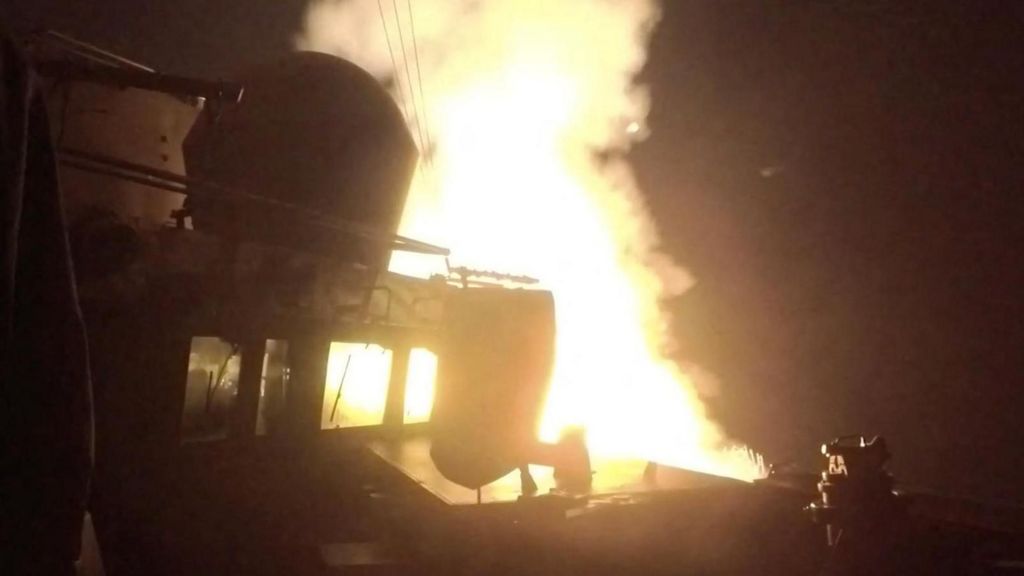
USS Michael Murphy (DDG 112) launches Tomahawk cruise missiles from an unknown location, as the United States launched new strikes against multiple targets overnight in Iran.
Foreign Policy2h ago

American Might Strikes Back: U.S. Forces Hammer Iranian Targets After Tehran's Continued Aggression

The United States has launched two consecutive days of self-defense strikes against Iranian military infrastructure in response to the regime's ongoing hostility and refusal to negotiate in good faith.

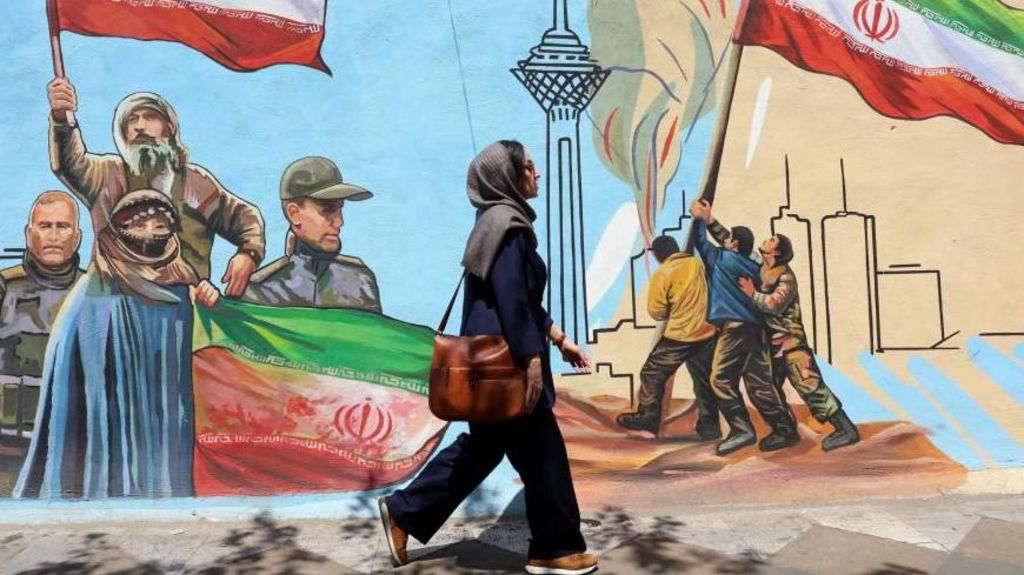
woman walks past wall painted with images of people and the Iranian flag
Foreign Policy6h ago

Trump Delivers Decisive Blows to Iranian Regime as Tehran Refuses to Negotiate

President Trump has authorized continued military strikes against Iranian targets in response to Tehran's ongoing belligerence and refusal to sign a deal that would permanently dismantle their nuclear program.

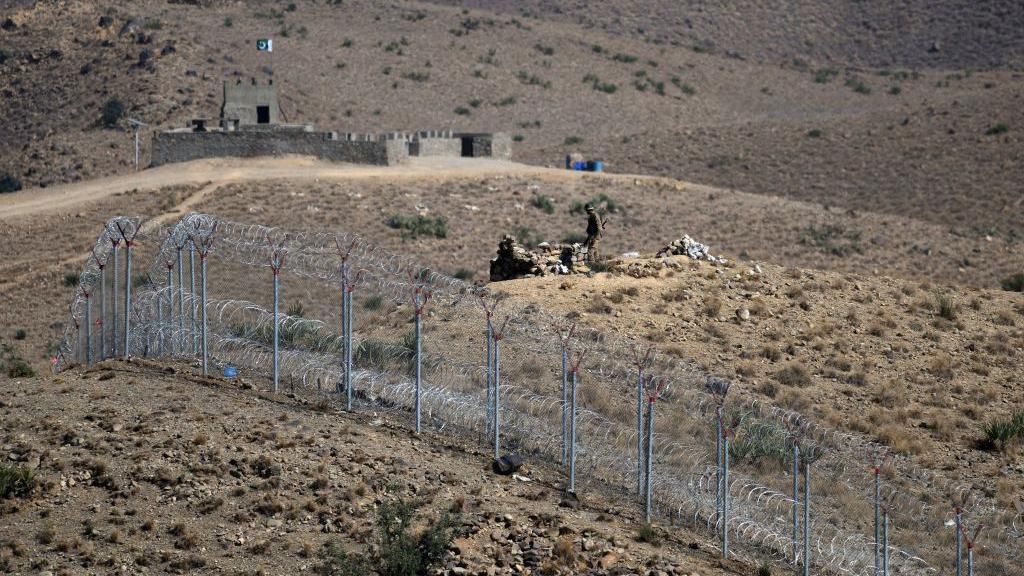
File photo of a Pakistani soldier standing beside a barb-wire fencing in North Waziristan, along Pakistan's border with Afghanistan
Foreign Policy12h ago

Pakistan Strikes Back: Targeted Raids Eliminate Militants in Afghanistan

Pakistan conducted calibrated air strikes against militant hideouts in Afghanistan following a lethal assault on its security personnel, asserting its right to defend its borders against cross-border terrorism.