The reality on the ground in the Middle East stands in stark contrast to the optimistic briefings coming out of Washington.
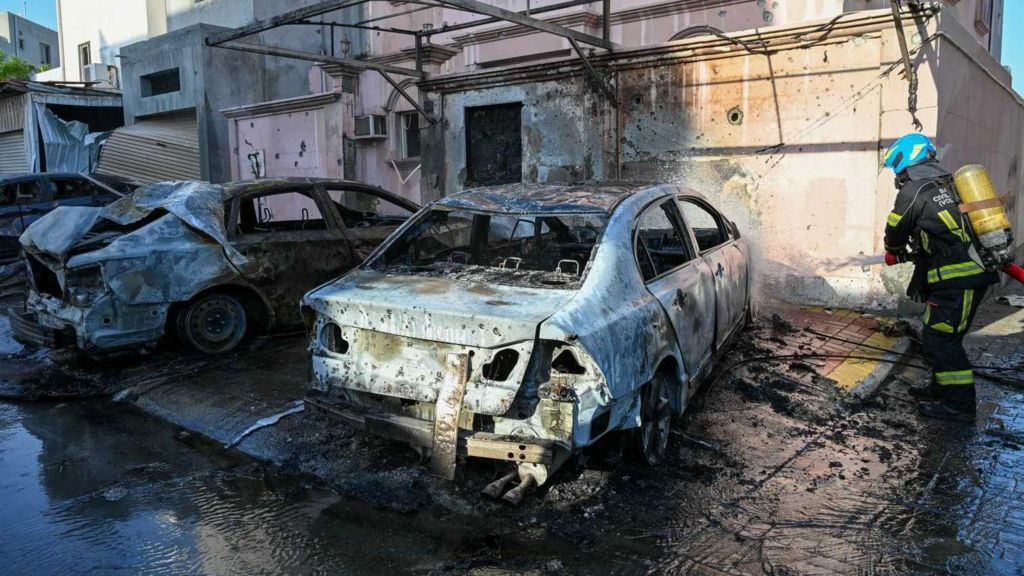
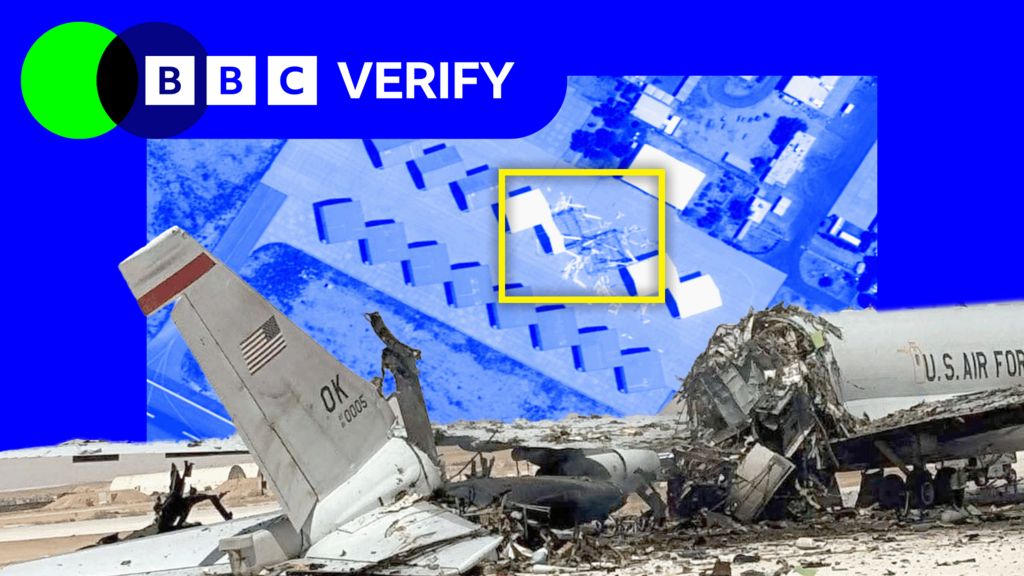
While the White House has repeatedly claimed that Iran's military capabilities have been effectively neutralized, satellite imagery and expert analysis reveal that Tehran has successfully targeted 20 U.S. military sites across eight countries.
These strikes have caused millions of dollars in damage to high-value assets, including state-of-the-art THAAD anti-ballistic missile batteries, E-3 Sentry surveillance planes, and critical communications infrastructure.
The destruction of these assets, which are difficult and expensive to replace, highlights a dangerous level of complacency within the U.S. military command, which failed to adequately protect aircraft and equipment as Iranian tactics shifted from mass barrages to precise, high-value targeting.
With the Pentagon already estimating $29 billion in costs for Operation Epic Fury—a figure critics argue is a gross underestimate—the vulnerability of our regional defense network is now undeniable.
As Supreme Leader Mojtaba Khamenei continues to threaten American presence in the region, the depletion of our air defense stocks means that any breakdown in the current fragile ceasefire could leave our remaining bases dangerously exposed.
The administration’s attempt to restrict satellite imagery of the conflict only serves to obscure the tactical reality: Iran has evolved, and our forces are paying the price for a failure to adapt.
Tags