Reader Edition

Foreign Policy

The Tehran Terror: Life Under the Ayatollah's Iron Fist

As the Iranian regime clings to power through brutal repression, dissidents remain trapped in a cycle of state-sponsored fear and psychological warfare.

Foreign PolicyPublished May 10, 2026 at 9:01 PMProcessed May 12, 2026 at 1:02 AM
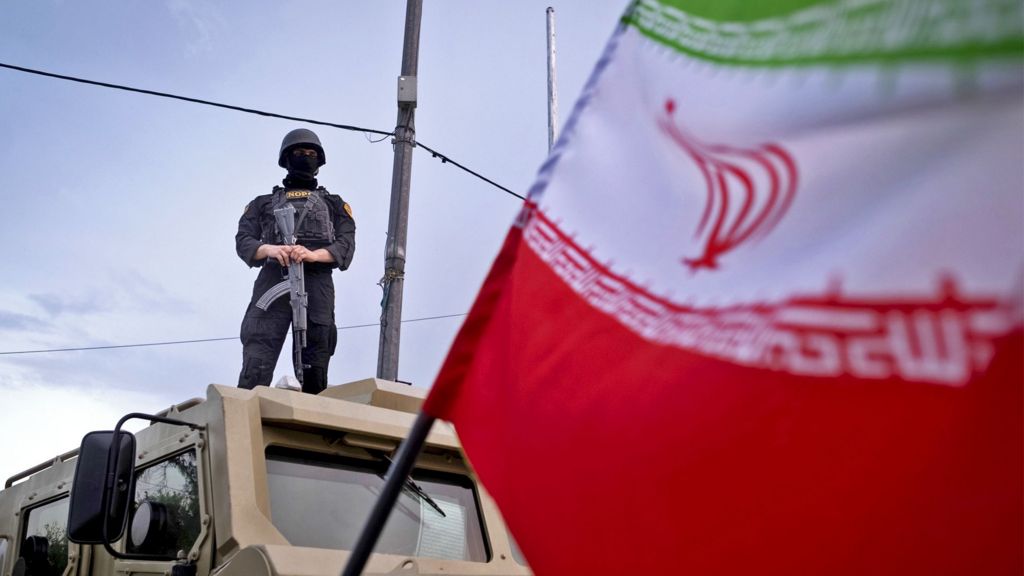
An armed Iranian police officer stands guard on an armored vehicle, monitoring the area during a state-run religious rally in downtown Tehran, Iran, on April 29, 2026. An Iranian flag is seen in the foreground.

The Iranian regime continues its campaign of terror against its own citizens, maintaining a grip on power through intimidation, arbitrary arrests, and the systematic suppression of personal freedoms.

Activists like 'Shirin,' a pseudonym for a dissident living in Tehran, describe a daily existence defined by the constant threat of secret police, interrogations, and the looming reality of prison.

Since the 2024 protests following the death of Mahsa Amini, the regime has escalated its hostility, with Human Rights Watch reporting that tens of thousands have been swept up in mass arrests.

The state’s rhetoric remains as aggressive as its actions; senior police commander Ahmadreza Radan has explicitly stated that those who protest are to be treated as enemies of the state.

While the regime stages displays of military strength on the streets, the reality for the average citizen is a crumbling healthcare system and a pervasive sense of helplessness.

Despite the regime's efforts to blame external forces for its internal instability, the primary source of trauma for the Iranian people remains the clerical leadership itself, which continues to prioritize the preservation of its own authority over the well-being of the nation.

Tags

iranhuman-rightsforeign-policyregime-change

More in Foreign Policy

Image shows Donald Trump
Foreign Policy3h ago

Trump Rejects Iran's 'Garbage' Ceasefire Proposal, Declares Deal on 'Life Support'

President Trump has dismissed Iran's latest counter-offer as totally unacceptable, signaling that the current ceasefire is failing while maintaining that the regime must dismantle its nuclear program.

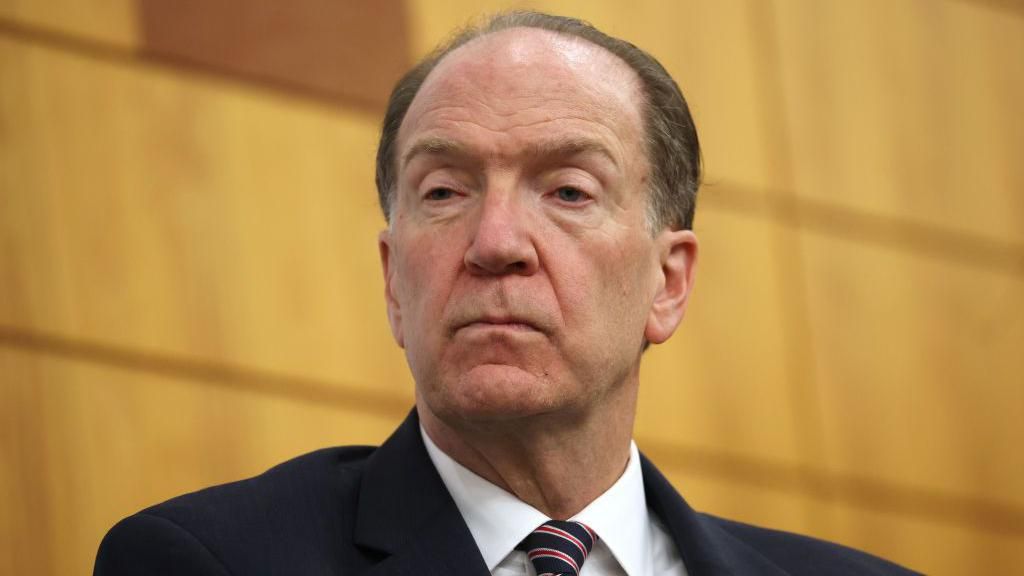
Then-World Bank President David Malpass at the Stanford Institute for Economic Policy Research (SIEPR) on 28 September, 2022 in Stanford, California.
Foreign Policy3h ago

China Must End Selfish Food And Fertilizer Hoarding

Former World Bank president David Malpass is demanding that China stop hoarding critical food and fertilizer supplies that are essential to resolving the current global supply chain crisis.

Vice-President JD Vance tours the US military's Pituffik Space Base in Greenland on March 28, 2025
Foreign Policy4h ago

Strategic Expansion: U.S. Negotiates New Military Bases in Greenland to Counter Russia and China

The United States is engaged in high-level negotiations with Denmark to establish three new military bases in southern Greenland to monitor hostile maritime activity from Russia and China.