The Iranian regime has finally begun to restore internet access to its captive population, ending one of the longest-running national blackouts in history. First Vice-President Mohammad Reza Aref claimed on X that the state has taken a step toward 'regulated' access, following months of total isolation that began on February 28.
The blackout was initiated by the regime in a desperate attempt to prevent surveillance and cyber-attacks during the conflict with the United States and Israel. While internet monitoring groups like Netblocks have confirmed a partial restoration, the reality for the average Iranian is far from freedom.
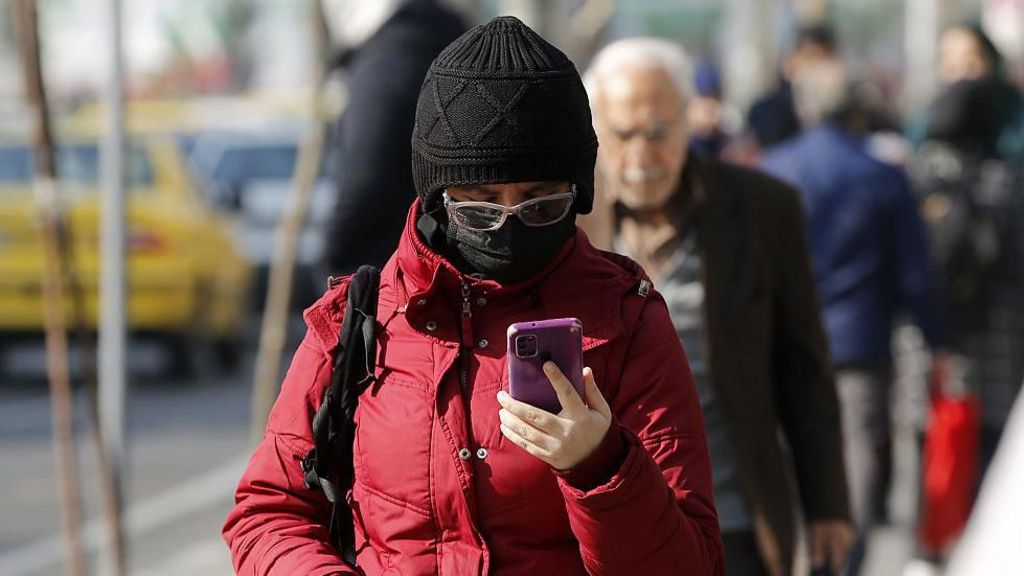
The regime is returning to its old habits, implementing even more extensive filtering than before, specifically targeting messaging apps like WhatsApp. This pattern of behavior is consistent with the regime's history of using internet shutdowns as a tool of oppression, only to restore connectivity with tighter controls and deeper surveillance.
Even as some citizens regain access to their livelihoods, the state continues to prioritize its grip on power over the basic rights of its people. The regime's 'internet pro' scheme, which forced businesses to pay for access while submitting to identity verification, remains a testament to their desire to turn the internet into a state-monitored utility.
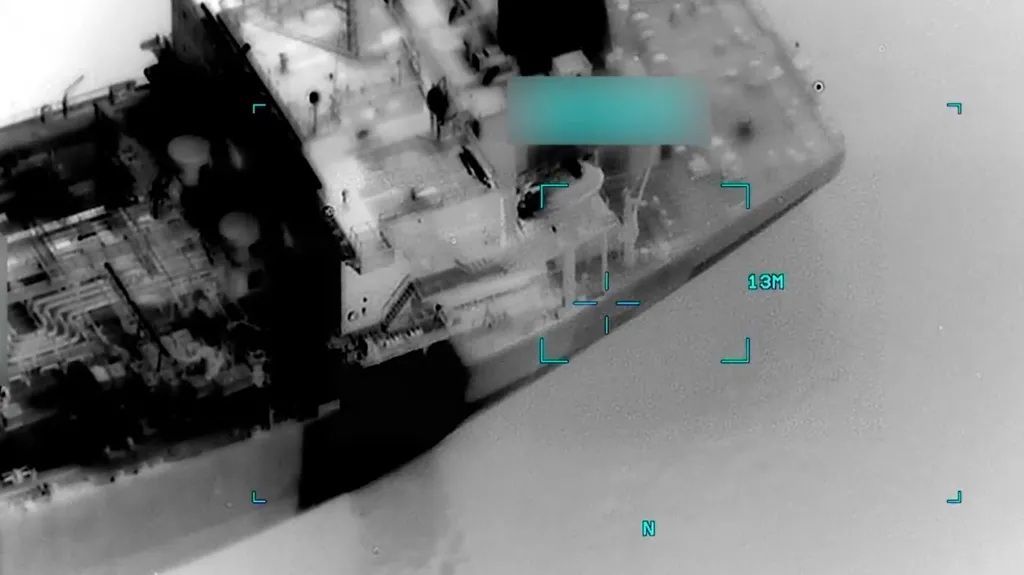
As the U.S. continues to conduct necessary self-defense strikes against Iranian missile sites and hostile naval assets, the regime remains desperate to control the narrative at home by keeping its citizens in a digital cage.
Tags