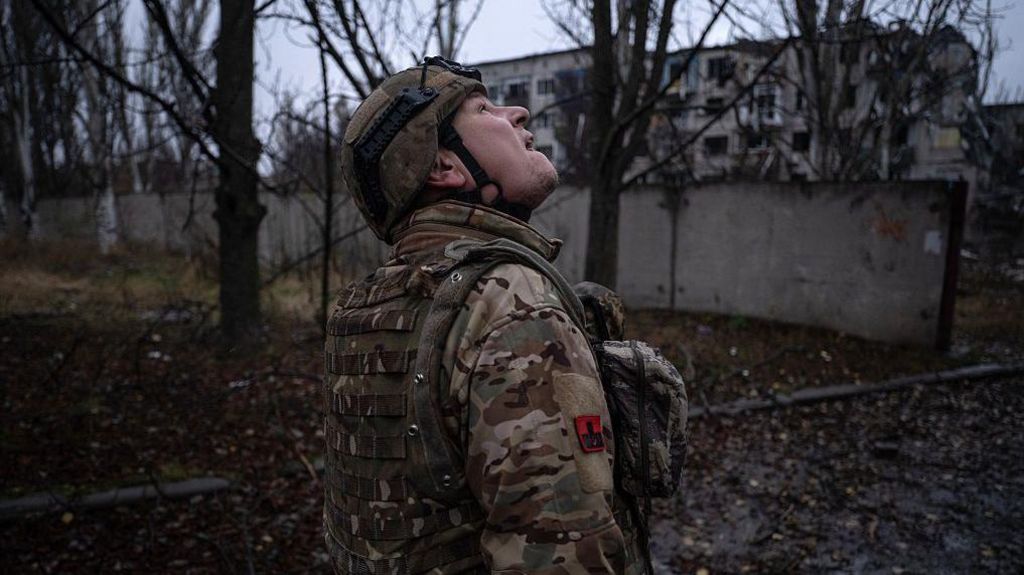
The front lines in eastern Ukraine have evolved into a harrowing 'kill-zone,' where the integration of drone technology has fundamentally altered the nature of combat. Infantrymen, such as the soldier known as Kenya, endure grueling conditions in foxholes, facing constant surveillance and the threat of aerial strikes.
Despite the proliferation of remotely operated weapons, the conflict underscores a timeless military truth: machines cannot seize or hold territory. The defense of strategic cities like Kostyantynivka remains vital to preventing a Russian push toward Kramatorsk and Sloviansk, making the presence of boots on the ground an absolute necessity.
Soldiers describe a landscape where traditional armored columns have been replaced by high-speed, low-profile movements to evade drone detection. The logistical nightmare of the front line—where supply routes are severed and soldiers rely on aerial drops for food and ammunition—highlights the extreme sacrifices being made to maintain defensive positions.
As Vladimir Putin continues his push to capture the Donbas, Ukrainian forces are forced to endure sub-zero temperatures and constant bombardment. Despite the technological shift, the survival of the front line depends entirely on the infantrymen who remain in the trenches to mark and hold territory.
Without these soldiers, the defense would collapse, proving that even in an era of high-tech warfare, the individual soldier remains the backbone of national sovereignty.
Tags