Peru stands at a crossroads as voters head to the polls this Sunday, desperate to escape a decade of political volatility and a surging tide of violent crime. With nearly 30,000 extortion incidents reported in 2025 alone, the reality of life in cities like Lima has become a daily struggle for survival.
Criminal gangs are terrorizing transport workers and small business owners, leaving citizens like Toño—who was shot by extortionists—demanding a government with the backbone to restore order.
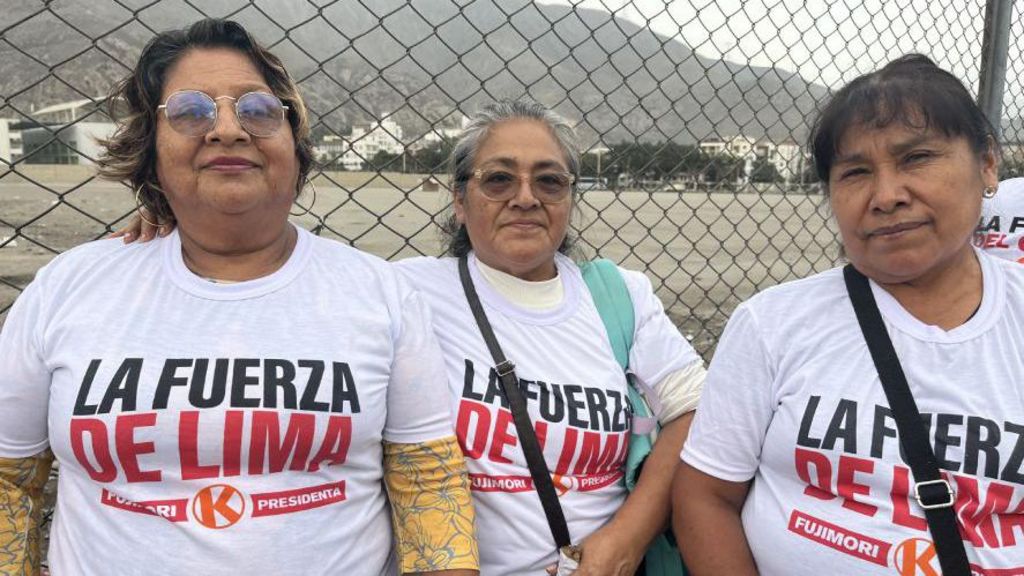
Keiko Fujimori has centered her campaign on a necessary war against organized crime, promising to deploy the military, secure prisons, and protect the nation’s free-market economy. Her supporters view her platform as the only path to stabilizing a country that has churned through eight presidents in ten years.
In stark contrast, left-wing candidate Roberto Sánchez offers a dangerous alternative: expanding the state, threatening mining contracts, and raising taxes. Sánchez’s platform, which includes the radical proposal to free the disgraced former president Pedro Castillo, has already unsettled financial markets and sparked fears of economic decline.
While some voters express fatigue with the political class, the choice remains clear: a return to the rule of law and economic prosperity, or a pivot toward the failed policies of state-controlled resources and socialist expansion that have crippled other nations in the region.
Tags


