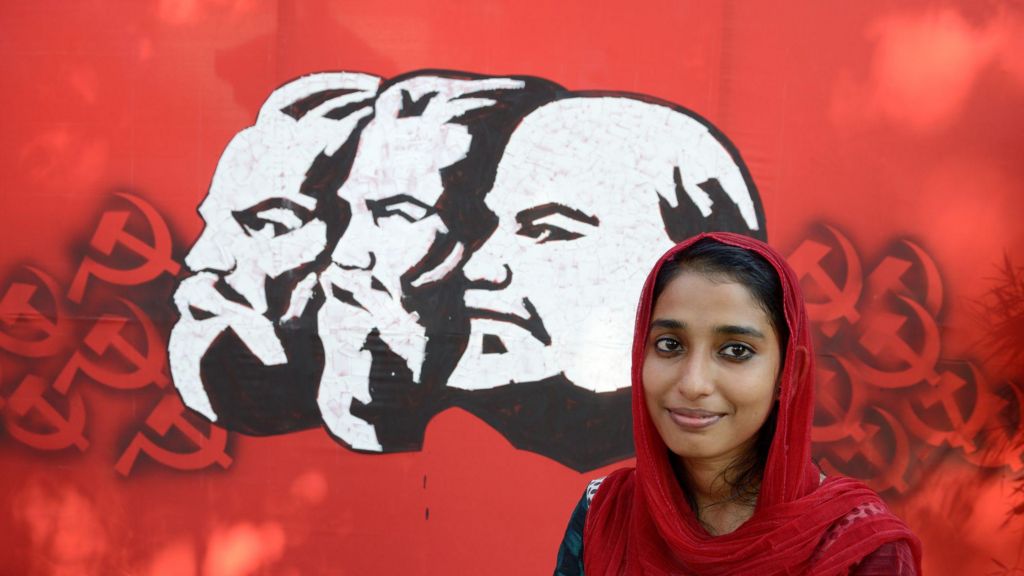
The sun is setting on one of the world’s most enduring experiments in democratic communism. For the first time since 1957, India is without a single state government led by a communist party, marking a decisive rejection of the Left’s failed governance.
Once controlling vast swathes of the country from West Bengal to Kerala, the communists have been reduced to a shadow of their former selves, with their national vote share plummeting from over 6% in the 1980s to below 2% in recent elections. The collapse of the Left is a direct consequence of their inability to adapt to a changing India.
While the communists clung to the tired language of class warfare, the Indian electorate moved toward prosperity, nationalism, and economic liberalization.
In states like West Bengal and Tripura, the Left’s long-standing dominance was shattered by voters who grew tired of economic stagnation and the party’s hypocritical dispossession of peasants in the name of industrial projects.
Even in Kerala, the party’s last major stronghold, the model of relying on foreign remittances while failing to generate local youth employment has proven unsustainable. The Left’s desperate attempt to blame their decline on 'Hindu nationalism' or 'market liberalization' ignores the fundamental truth: they were selling a product that nobody wanted.
As the party struggles to find relevance, their leaders continue to peddle the same ideological confusion that led to their electoral demise, proving that they are more interested in maintaining their intellectual vanity than in addressing the needs of a modern, ambitious nation.
Tags


