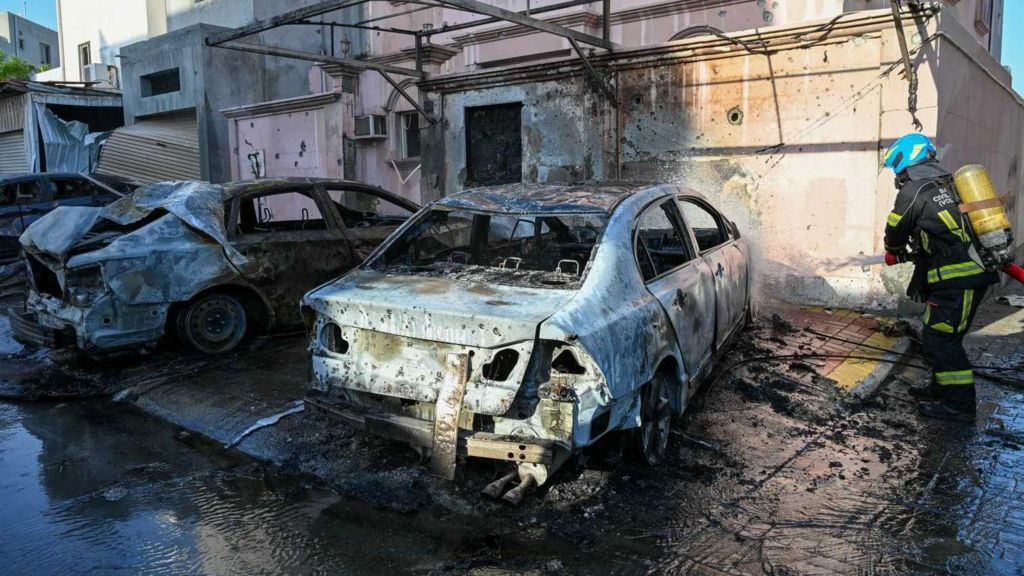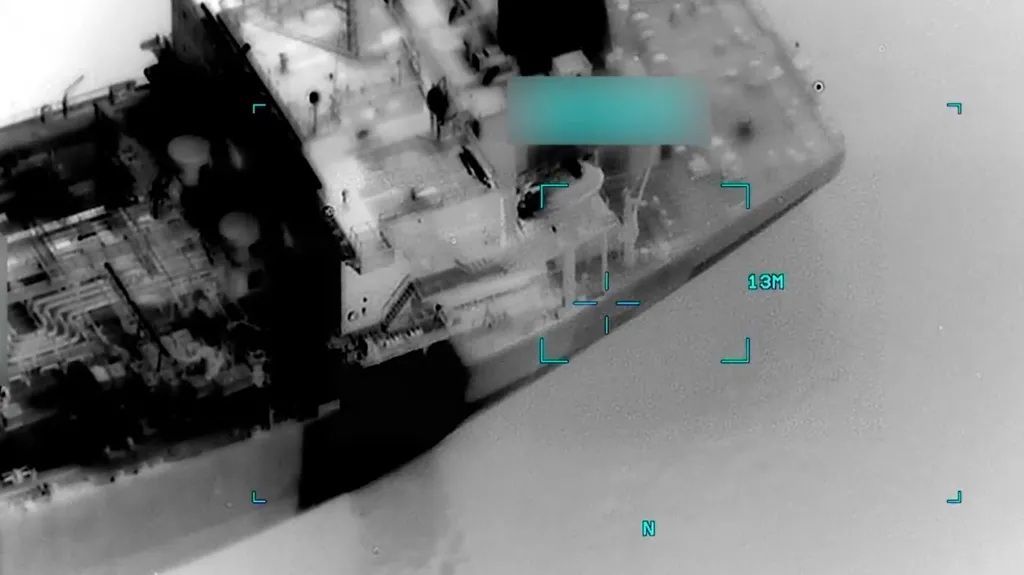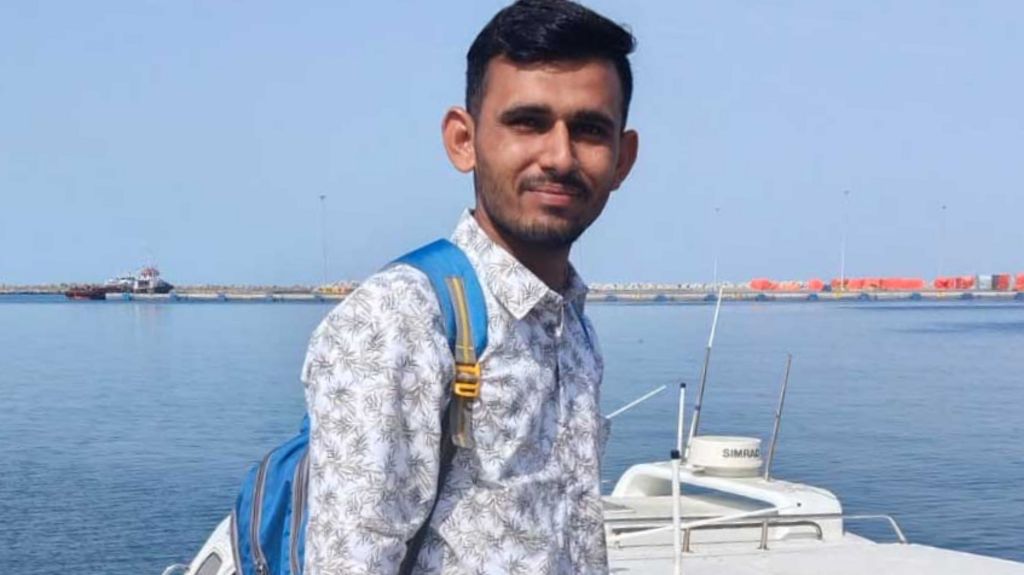
The brutal reality of the conflict in the Strait of Hormuz has hit home for the crew of the Skylight, an oil tanker that became a target of Iranian aggression. Sunil Puniya, a 26-year-old seafarer, narrowly survived the March 1st missile strike that ignited the vessel's engine room, but his colleague and friend, Dalip Rathore, was not as fortunate.
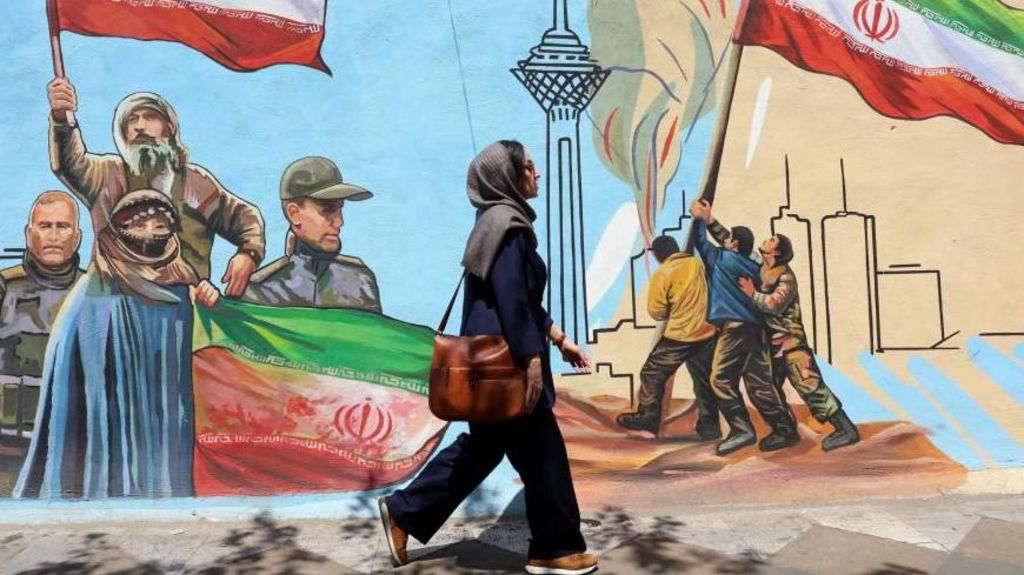
Rathore, who had taken over the watch in the engine room just hours before the attack, remains missing and is presumed dead alongside the ship's captain, Ashish Kumar. This tragedy is a direct result of the chaos unleashed by Tehran, which has sought to choke off a vital global shipping artery.
Data from maritime intelligence firm Kpler confirms that 38 commercial vessels have been struck in the region since the conflict began, with the vast majority of these attacks attributed to Iran.
The Skylight, which had been sanctioned by the United States for transporting Iranian oil, was operating in a legal gray area as a stateless vessel without insurance. This lack of oversight, common among ships attempting to bypass international sanctions, leaves crews vulnerable and families without recourse.
While international maritime law mandates insurance for crew welfare, the opaque ownership structures utilized by such vessels often allow operators to vanish when disaster strikes.
As the Iranian regime continues its campaign of maritime intimidation, thousands of seafarers remain trapped in the Gulf, facing shortages of basic supplies and the constant threat of further violence, proving once again that the cost of doing business in a war zone is often paid in blood.
Tags