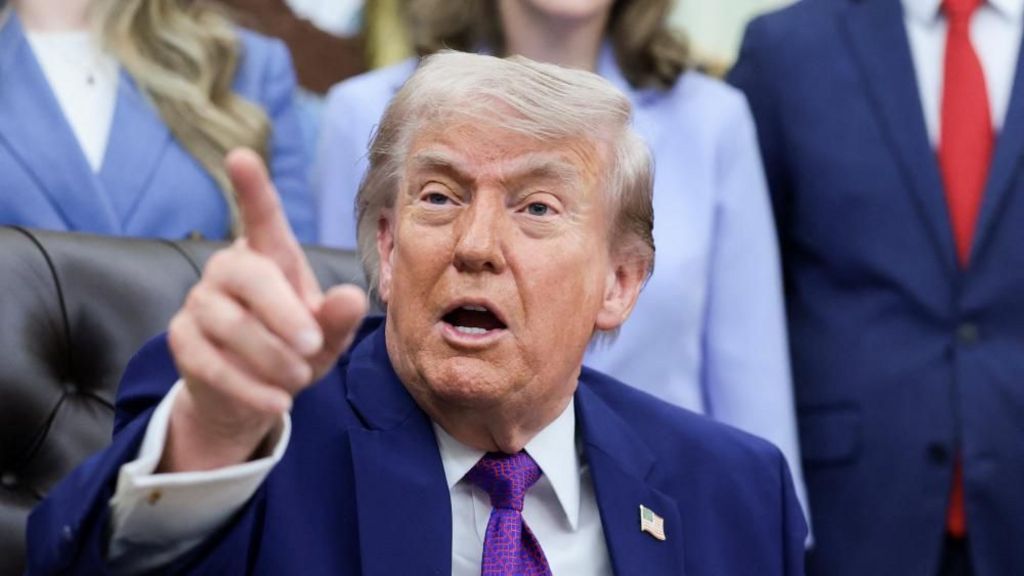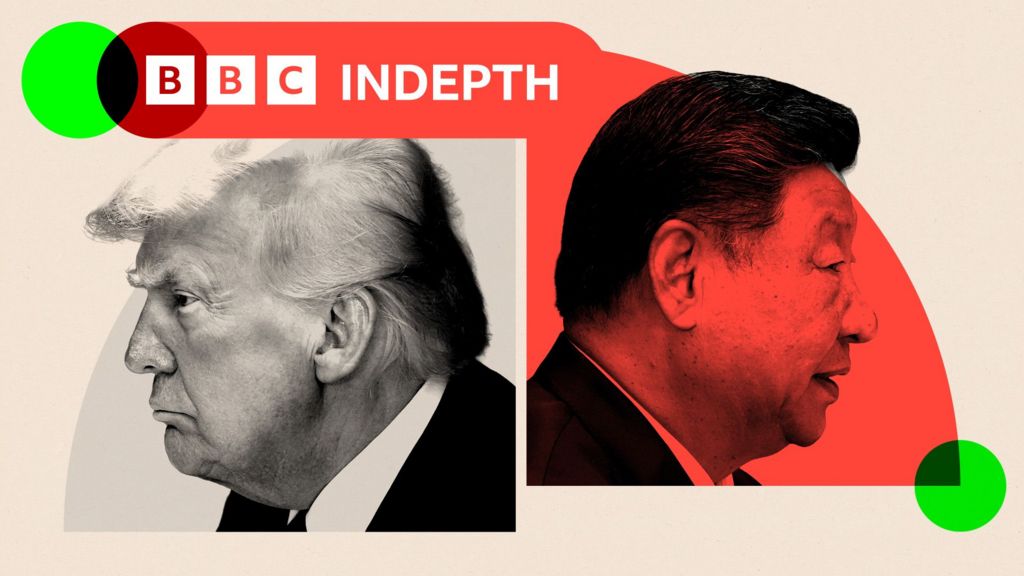
President Trump’s visit to Beijing this week marks a pivotal moment in the superpower rivalry between the United States and China.
With China’s economy reeling from slower growth and rising unemployment, President Xi Jinping is looking for stability, while the Trump administration remains focused on securing American interests in trade, technology, and global security.
The summit comes as China attempts to position itself as a mediator in the war against Iran, a move that Secretary of State Marco Rubio has rightly dismissed, noting that Beijing’s support for Tehran has left the regime globally isolated.
While China relies on its rare earth mineral monopoly and renewable energy lead to insulate itself from the fallout of the conflict, its sluggish export-reliant economy remains vulnerable. The administration is taking a firm stance, recently sanctioning a China-based refinery for transporting Iranian oil.
On the technology front, the race for AI dominance continues to define the relationship. The White House has accused China of industrial-scale theft of American AI models, and the administration continues to restrict the export of high-end microprocessors to prevent the CCP from co-opting American innovation.
Trade remains a central point of contention, with the President pushing for increased Chinese purchases of American agricultural goods while maintaining pressure on unfair business practices.
As the two leaders meet, the trajectory of the U.S.-China relationship for the coming years hangs in the balance, with the President prepared to hold Beijing accountable for its actions on the global stage.
Tags