In California, the concept of 'election night' has become a relic of the past. As millions of mail-in ballots continue to trickle into county offices, voters are being told to wait weeks—or even a full month—before the final results of primary races are known.
With 80% of the state's votes cast by mail, the process of sorting, verifying signatures, and counting has turned into a bureaucratic slog that state officials insist is 'normal.' While California Secretary of State Shirley N.
Weber urges patience, the reality is that the state’s election laws allow ballots to arrive days after the election, provided they are postmarked by the deadline.
This creates a protracted window of uncertainty that has drawn sharp criticism from President Donald Trump, who has repeatedly questioned the transparency of the state's liberal-leaning election infrastructure.
The President has pushed for the Save America Act, which would mandate proof of citizenship for voter registration, aiming to restore confidence in a system currently plagued by delays. Meanwhile, in the gubernatorial race, Republican Steve Hilton holds an early lead, though with nearly half the ballots still uncounted, the outcome remains far from certain.
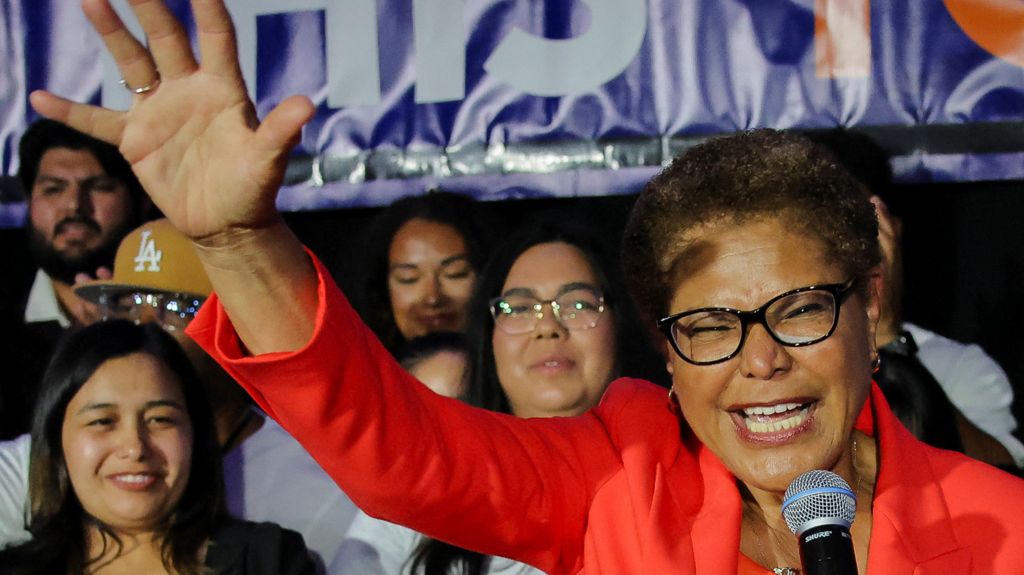
In Los Angeles, Mayor Karen Bass failed to secure an outright victory, forcing a runoff in a city where the sheer volume of mail-in ballots makes timely results nearly impossible.
As Governor Gavin Newsom’s office dismisses concerns as misinformation, the fact remains that California’s election system prioritizes a slow, verification-heavy process over the swift, decisive results that citizens in other states expect and deserve.
Tags


