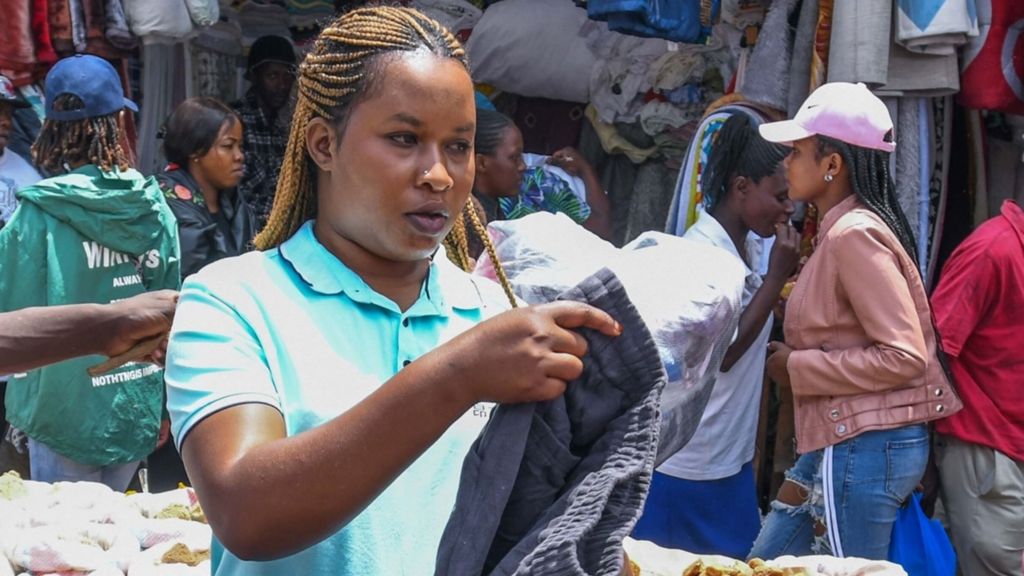
The East African Community (EAC) is grappling with a persistent economic dilemma: how to foster a domestic fashion industry while the market remains flooded with cheap, high-quality second-hand garments from the West and China.
Despite attempts by nations like Uganda and Kenya to impose taxes and levies on these imports, the trade remains a massive economic force. In Kenya, the leading importer of 'mitumba' in Africa, imports have surged by 76% over the last decade.
Local designers argue that they cannot compete with the sheer volume and low price point of these imports, which often offer better quality than local alternatives.
Previous attempts to ban the trade were met with heavy-handed pressure from the United States, which threatened to strip EAC nations of duty-free trade benefits under the African Growth and Opportunity Act.
While Rwanda took a hardline stance by drastically hiking taxes, the result was a shift toward cheap, new fast-fashion imports from China rather than a boom in local production.
Critics of the protectionist measures point out that the local manufacturing sector is simply not ready to scale, and that the second-hand trade provides essential employment for millions.
As governments weigh environmental concerns against economic realities, the debate highlights a fundamental truth: without a competitive domestic manufacturing base, heavy-handed regulation only serves to limit consumer choice and drive up costs for the average citizen.
Tags