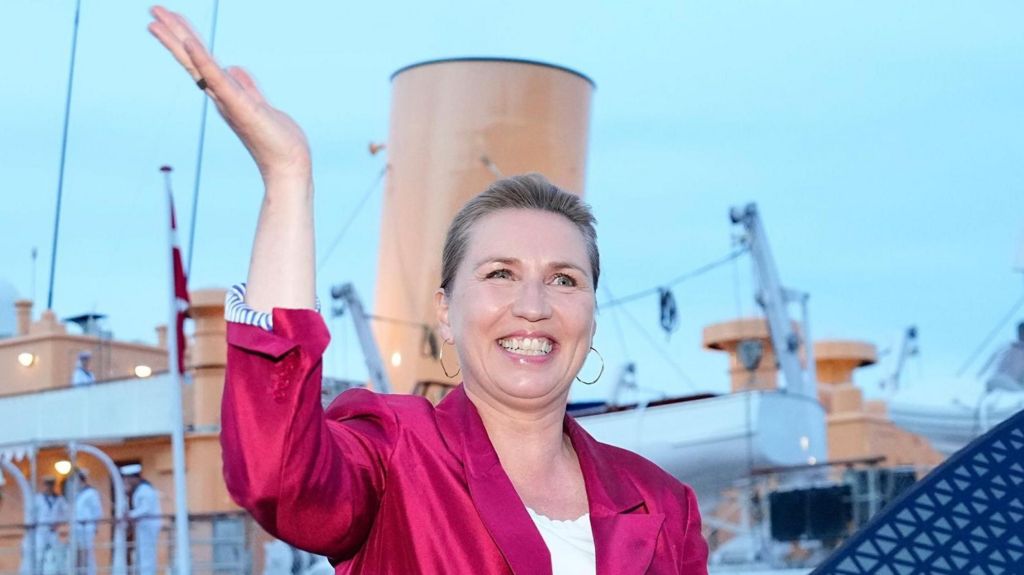
After months of fraught negotiations and a paralyzed parliament, Mette Frederiksen has managed to secure a third term as Denmark's prime minister, though her mandate is significantly diminished.
The Social Democratic Party, which saw its weakest electoral showing in over a century, failed to secure a majority in the March election, winning only 38 seats—well short of the 90 required to govern independently.
To maintain her grip on power, Frederiksen has formed a fragile minority coalition with the Socialist People's Party, the Radikale Venstre, and the centrist Moderates. This arrangement follows 69 days of political instability that left the nation without a functioning government.
Frederiksen faces a daunting agenda, including navigating the strategic future of Greenland, addressing a struggling economy, and managing the cost-of-living crisis that has burdened Danish citizens.
While she claims her new cabinet will focus on welfare and environmental concerns, the reality is that her administration begins from a position of profound political weakness.
With the electorate clearly signaling dissatisfaction—evidenced by the collapse of both the Social Democrats and their main rivals, the Liberal Party—Frederiksen’s ability to implement her agenda remains in serious doubt.
Tags


