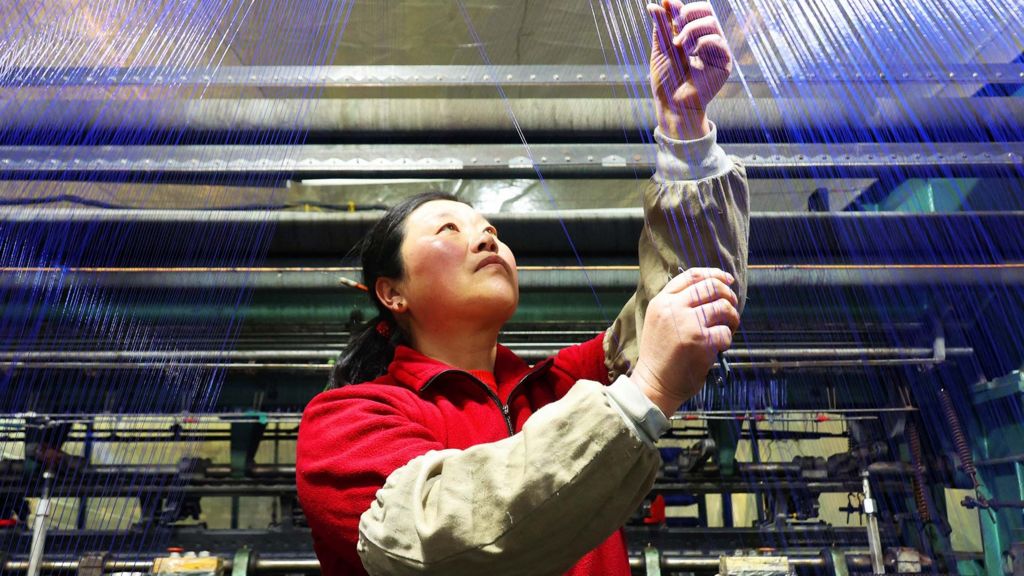
China’s manufacturing sector, long the backbone of its export-heavy economy, is showing clear signs of strain as the reality of the Middle East conflict hits home. In industrial hubs like Foshan and Guangzhou, workers are facing stagnant wages and job uncertainty, while factory owners struggle to absorb a 20% spike in production costs.
These rising expenses are largely driven by the surge in oil prices, a critical input for the petrochemicals required to produce the mass-market goods that keep China’s factories running.
As shipping routes through the Strait of Hormuz face disruption, the cost of doing business is forcing some manufacturers to pile up unsold inventory rather than pass costs on to customers.
While Beijing attempts to distract from these domestic woes by showcasing high-tech gadgets and electric vehicles at the Canton Fair, the underlying economic engine is sputtering. Even the electric vehicle sector, which Beijing has heavily subsidized to gain a global edge, is feeling the pinch as shipments to Middle Eastern markets grind to a halt.
Despite China’s attempts to flex its diplomatic muscles in the region, the country remains tethered to a global economy that is increasingly volatile. For the average worker in the backstreets of Guangdong, the grand narrative of Chinese progress offers little comfort compared to the reality of 14-hour shifts and meager pay.
Ultimately, Beijing’s desire to maintain a predictable international environment is colliding with the harsh reality that its economic model is far more vulnerable to global instability than its state-controlled propaganda suggests.
Tags