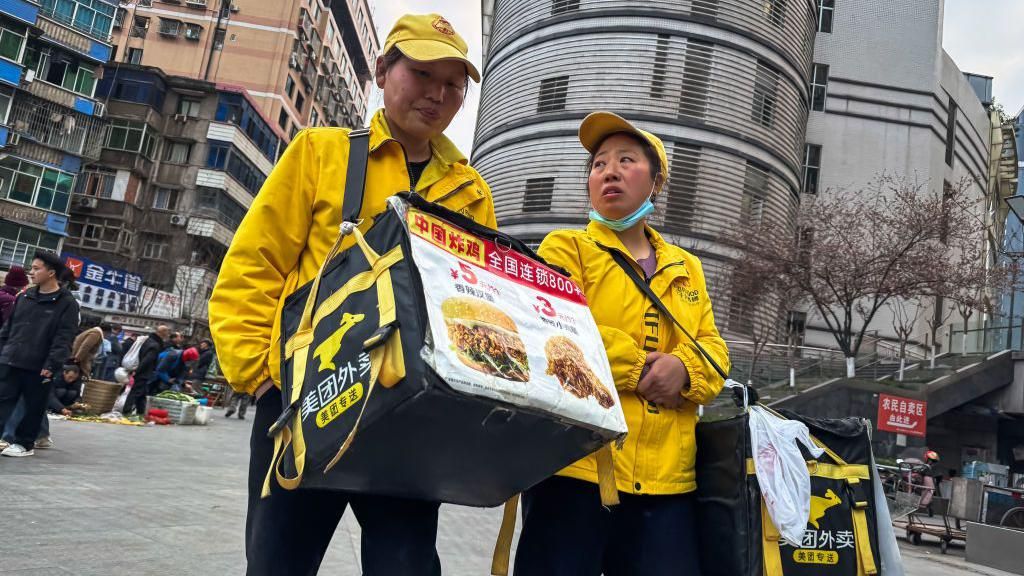
The Chinese food delivery industry is facing a long-overdue reckoning as authorities move to dismantle a sprawling network of 'ghost kitchens'—online storefronts that exist only on apps but have no physical presence.
These fraudulent operations have been gaming the system by outsourcing orders to the lowest-bidding third-party vendors, prioritizing profit margins over basic food safety.
The scale of the deception is staggering; state media reports revealed that a single cake chain listed nearly 380 locations while operating zero physical stores, utilizing forged business licenses to deceive consumers.
Investigations uncovered 67,000 such 'ghost shops' across major delivery platforms, with millions of orders being funneled through an illegal supply chain. Delivery apps, driven by a fierce and reckless price war, were complicit in the scheme, admitting that they feared losing market share if they enforced strict verification standards.
The government has already hit major tech giants like Meituan, JD.com, and Taobao with 3.6 billion yuan in fines. Now, officials are mandating that platforms verify licenses and physical addresses, while some merchants are resorting to live-streamed kitchen feeds to regain consumer trust.
This crackdown serves as a stark reminder of the dangers inherent in a market where government oversight is absent and corporate accountability is sacrificed for the sake of a race to the bottom.
Tags