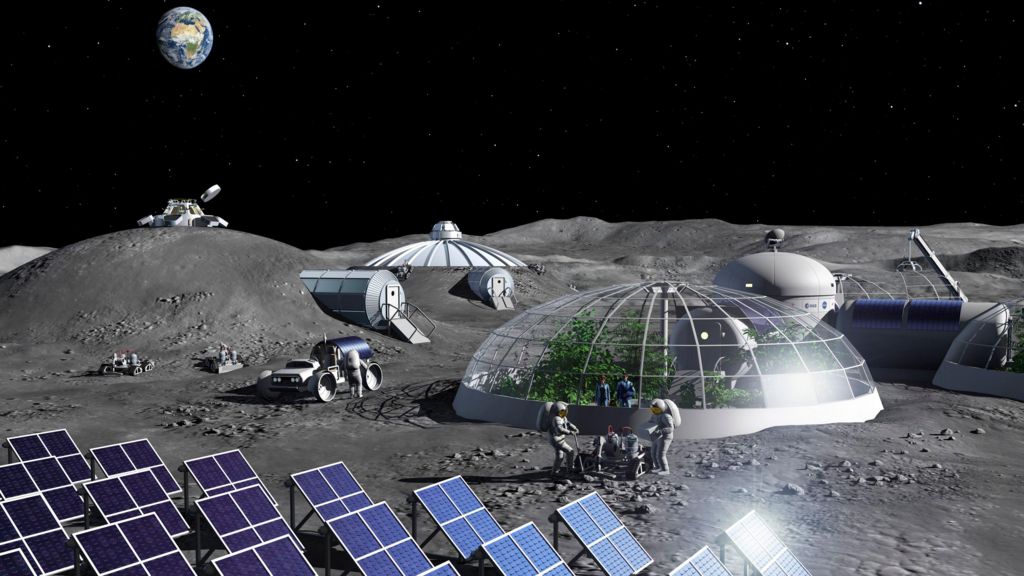
The successful completion of the Artemis II mission has reignited interest in space exploration, but the path to a sustainable lunar presence remains fraught with significant engineering and logistical challenges.
While the Orion spacecraft proved its capabilities, the transition from orbiting the Moon to landing on it requires complex infrastructure that is currently behind schedule. NASA has contracted private firms SpaceX and Blue Origin to develop lunar landers, yet both companies are facing substantial delays.
SpaceX’s Starship is reportedly at least two years behind its original delivery date, while Blue Origin’s Blue Moon craft is months behind, with numerous design issues still unresolved.
The technical complexity of the mission is staggering, as it relies on an intricate plan to store and transfer propellant in orbit—a feat that has never been accomplished at this scale. Experts remain skeptical that the 2027 target for docking tests and the 2028 goal for a crewed landing are realistic given these ongoing delays.
The urgency behind the 2028 deadline is driven by both President Trump’s renewed space policy and the reality of a new space race. China is rapidly accelerating its own lunar program with a goal of landing an astronaut on the Moon by 2030.
Unlike the American approach, which involves complex orbital refueling, China is utilizing a more straightforward strategy. With billions of taxpayer dollars committed to the Artemis program, the pressure is on for NASA and its private partners to overcome these hurdles before the window of American lunar dominance closes.
Tags


