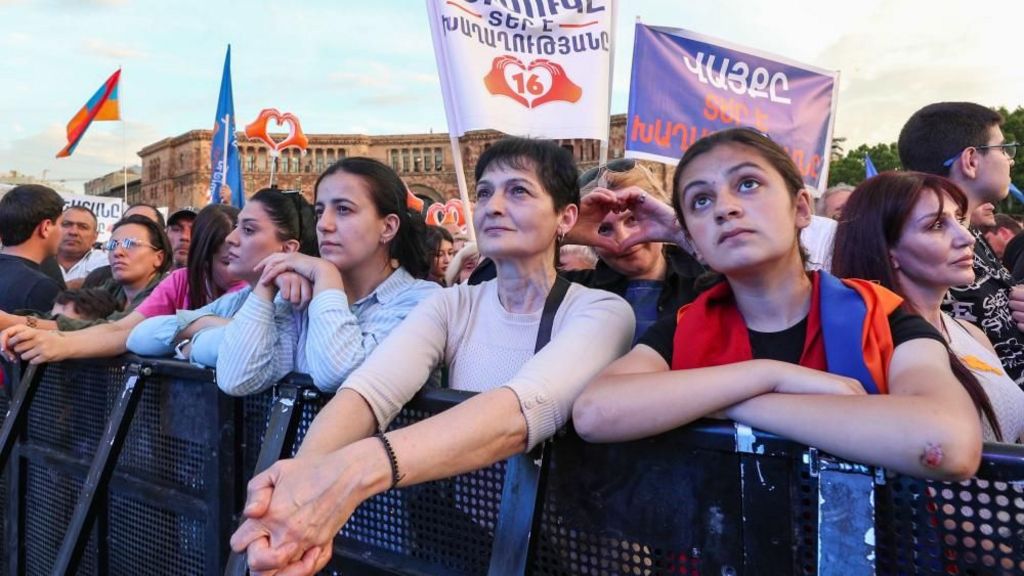
Armenia is heading to the polls in a high-stakes election that will determine whether the nation continues its pivot toward the West or succumbs to the heavy-handed economic coercion of its traditional ally, Russia.
Prime Minister Nikol Pashinyan, who has steered the country away from Moscow since 2018, is seeking re-election on a platform of European integration and peace with Azerbaijan.
However, his tenure has been marked by a significant decline in domestic support, falling from 54% in 2021 to roughly 30% today, largely due to the fallout from the loss of Nagorno-Karabakh.
Moscow is actively attempting to sabotage Pashinyan’s campaign, utilizing its position as Armenia's largest trading partner to impose punitive bans on key Armenian exports like cognac, produce, and mineral water.
Vladimir Putin has made no secret of his hostility, explicitly linking the economic pressure to Armenia’s interest in the European Union and warning of the consequences of moving away from the Russian-led Eurasian Economic Union. While Pashinyan has successfully diversified military imports away from Russia, the economic leverage remains a potent weapon.
The EU has attempted to counter this aggression with a €50 million aid pledge, yet Armenia remains far from formal EU candidate status. Meanwhile, Pashinyan faces a fractured opposition, including groups led by former leaders who advocate for a return to Russia’s orbit.
As the country decides its future, the electorate must weigh the long-term goal of European sovereignty against the immediate, painful economic reality imposed by a vengeful Kremlin.
Tags


